 iscover
International passenger traffic to and from Australia during September jumped 11.3 per cent during September, making it the largest increase in a month since March 2005.
Newly released statistics from the Bureau of Infrastructure, Transport and Regional Economics show that 2.084 million passengers travelled internationally during September. This was helped by a 7.3 per cent increase in available seats, although load factor also increased by 1.9 pecentage points to 77.6 per cent. A total of 11,276 international flights were operated, representing a 7.5 per cent growth over the same time last year.
This content is available exclusively to Australian Aviation members.
A monthly membership is only $5.99 or save with our annual plans.
- Australian Aviation quarterly print & digital magazines
- Access to In Focus reports every month on our website
- Unlimited access to all Australian Aviation digital content
- Access to the Australian Aviation app
- Australian Aviation quarterly print & digital magazines
- Access to In Focus reports every month on our website
- Access to our Behind the Lens photo galleries and other exclusive content
- Daily news updates via our email bulletin
- Unlimited access to all Australian Aviation digital content
- Access to the Australian Aviation app
- Australian Aviation quarterly print & digital magazines
- Access to In Focus reports every month on our website
- Access to our Behind the Lens photo galleries and other exclusive content
- Daily news updates via our email bulletin
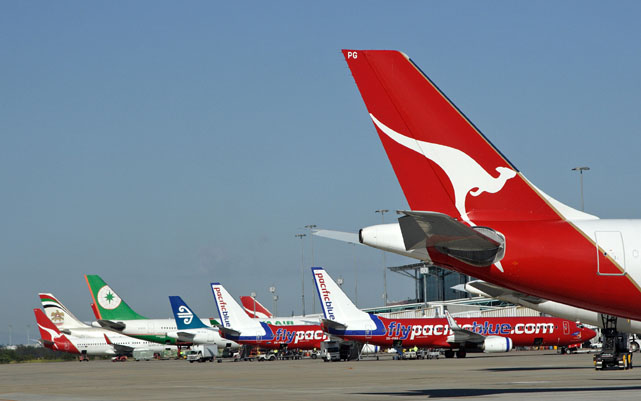
The increase in passenger numbers appears to have a strong correlation to the growth of low cost carriers, which collectively increased their market share by 7.5 percentage points to 18.3 per cent of all passengers, while the relative market shares of most ‘legacy’ carriers fell. Qantas remained the largest carrier of international passengers, accounting for 20.2 per cent of the market.
While passenger traffic soared, freight tonnage declined by 3.9 per cent, reflecting a continually depressed freight market.