
 iscover
Warning: Attempt to read property "name" on false in /data/www/upgrade/australianaviation.com.au/httpdocs/wp-content/plugins/momentummedia-article-gate/includes/class-momentummedia-article-gate.php on line 169
Warning: Undefined array key "image-size-770" in /data/www/upgrade/australianaviation.com.au/httpdocs/wp-content/themes/australianaviation/functions.php on line 1310
Warning: Trying to access array offset on null in /data/www/upgrade/australianaviation.com.au/httpdocs/wp-content/themes/australianaviation/functions.php on line 1310
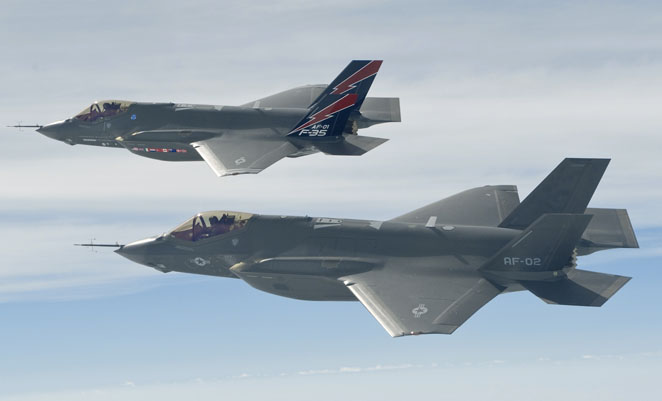
Lockheed Martin has announced the completion of static structural testing for the F-35 Joint Strike Fighter, one of five key milestones for the program for 2011 set by the Joint Program Office (JPO).
Engineering teams from Lockheed Martin, BAE Systems, Northrop Grumman and the JPO conducted structural tests over the past two years, during which a system of pads, hydraulic actuators and air pressurisation mechanisms and reaction channels were used to apply external loads to test articles to simulate the aircraft’s full flight envelope.
This content is available exclusively to Australian Aviation members.
A monthly membership is only $5.99 or save with our annual plans.
- Australian Aviation quarterly print & digital magazines
- Access to In Focus reports every month on our website
- Unlimited access to all Australian Aviation digital content
- Access to the Australian Aviation app
- Australian Aviation quarterly print & digital magazines
- Access to In Focus reports every month on our website
- Access to our Behind the Lens photo galleries and other exclusive content
- Daily news updates via our email bulletin
- Unlimited access to all Australian Aviation digital content
- Access to the Australian Aviation app
- Australian Aviation quarterly print & digital magazines
- Access to In Focus reports every month on our website
- Access to our Behind the Lens photo galleries and other exclusive content
- Daily news updates via our email bulletin
Engineers tested the F-35 airframe to 115 per cent of requirements, with no deformation observed. Loads were then increased to 150 per cent of requirements in the final phase of structural testing, again without rupturing or structural failure.