 iscover
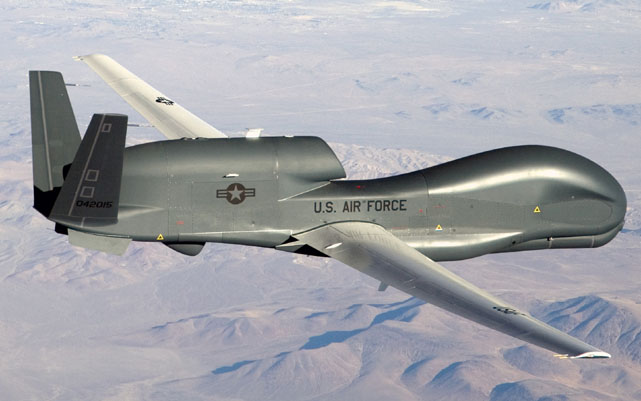
CASA is launching a review of decade old rules governing civilian use of unmanned aerial vehicles (UAVs).
Current rules were drafted at a time when there was little such use and contain few details on important subjects such pilot qualifications, airworthiness and risk management. The lack of clear guidance makes new applications onerous and increases the chances for mistakes, the regulator says.
This content is available exclusively to Australian Aviation members.
A monthly membership is only $5.99 or save with our annual plans.
- Australian Aviation quarterly print & digital magazines
- Access to In Focus reports every month on our website
- Unlimited access to all Australian Aviation digital content
- Access to the Australian Aviation app
- Australian Aviation quarterly print & digital magazines
- Access to In Focus reports every month on our website
- Access to our Behind the Lens photo galleries and other exclusive content
- Daily news updates via our email bulletin
- Unlimited access to all Australian Aviation digital content
- Access to the Australian Aviation app
- Australian Aviation quarterly print & digital magazines
- Access to In Focus reports every month on our website
- Access to our Behind the Lens photo galleries and other exclusive content
- Daily news updates via our email bulletin
“At present each application for an unmanned aircraft systems operations is a standalone exercise and requires significant education of applicants,” CASA boss John McCormick wrote in the regulators’ monthly newsletter. “With a rapid increase in activity in this sector there is a risk that unsafe decisions could be made without comprehensive guidance material being available.”
CASA will produce a series of six circulators advising industry and its own officials on managing safety of unmanned systems. Once the advisory material has been completed, CASA will launch a full review of current regulations that will also assess the long term integration of UAVs into normal aviation operations across all classes of airspace.
While best known for their military roles, unmanned aircraft have taken on a growing number of civilian tasks in recent years, ranging from law enforcement to firefighting, aerial photography, advertising and surveying. A report released this month by the US firm Global Industry Analysts predicted the worldwide market for unmanned aircraft would grow to US$5.34 billion by 2017, driven by booming demand from both the military and civilian sectors.