
 iscover
Warning: Undefined array key "image-size-770" in /data/www/upgrade/australianaviation.com.au/httpdocs/wp-content/themes/australianaviation/functions.php on line 1310
Warning: Trying to access array offset on null in /data/www/upgrade/australianaviation.com.au/httpdocs/wp-content/themes/australianaviation/functions.php on line 1310
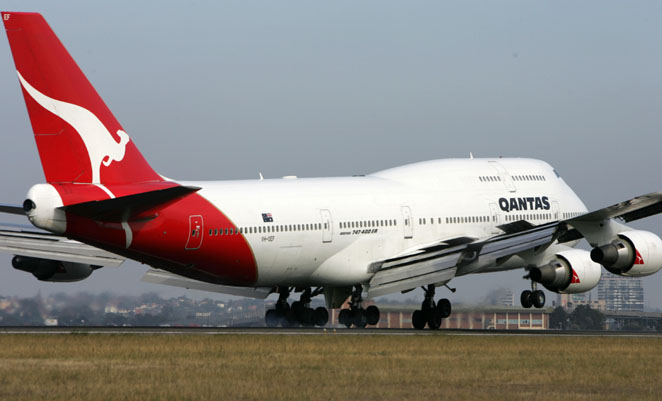
A Qantas plea to extend its code-sharing alliance with South African Airways has been rejected, with Australia’s International Air Services Commission saying the partnership discourages competition and amounts to an “effective duopoly.”
Qantas had appealed an earlier decision by the IASC against the agreement but the commission stood by the decision. The IASC did however back away from forcing an immediate end to the deal, allowing Qantas and SAA to continue code-sharing until the end of the year.
This content is available exclusively to Australian Aviation members.
A monthly membership is only $5.99 or save with our annual plans.
- Australian Aviation quarterly print & digital magazines
- Access to In Focus reports every month on our website
- Unlimited access to all Australian Aviation digital content
- Access to the Australian Aviation app
- Australian Aviation quarterly print & digital magazines
- Access to In Focus reports every month on our website
- Access to our Behind the Lens photo galleries and other exclusive content
- Daily news updates via our email bulletin
- Unlimited access to all Australian Aviation digital content
- Access to the Australian Aviation app
- Australian Aviation quarterly print & digital magazines
- Access to In Focus reports every month on our website
- Access to our Behind the Lens photo galleries and other exclusive content
- Daily news updates via our email bulletin
The ruling requires the airlines to operate a minimum of ten flights per week connecting Johannesburg with Sydney and Perth.
Qantas has warned that one of the airlines could discontinue services between South Africa and Australia if the tie-up was not allowed to continue. But the IASC ruled that the agreement was a “poor substitute” for direct competition between the two carriers that also discourages other airlines from taking on the route.
“The two airlines have an effective duopoly on the main routes, subject to very little competitive constraint,” the commission said.