
 iscover
Warning: Undefined array key "image-size-770" in /data/www/upgrade/australianaviation.com.au/httpdocs/wp-content/themes/australianaviation/functions.php on line 1310
Warning: Trying to access array offset on null in /data/www/upgrade/australianaviation.com.au/httpdocs/wp-content/themes/australianaviation/functions.php on line 1310
Warning: Undefined array key "image-size-770" in /data/www/upgrade/australianaviation.com.au/httpdocs/wp-content/themes/australianaviation/functions.php on line 1310
Warning: Trying to access array offset on null in /data/www/upgrade/australianaviation.com.au/httpdocs/wp-content/themes/australianaviation/functions.php on line 1310
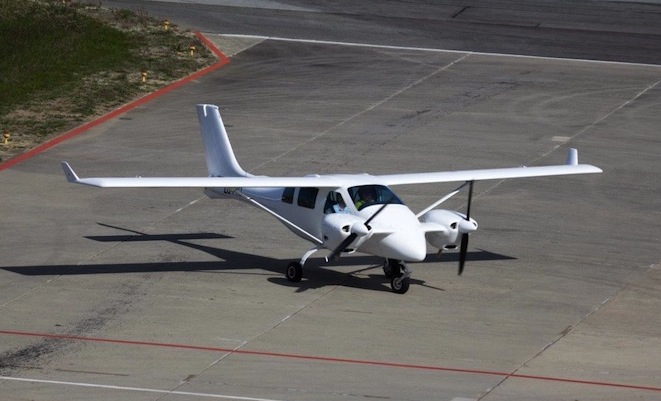
Jabiru Aircraft has flown its first twin-engined aircraft.
Inspired by the company’s dealer in South Africa to meet the unique operating environment of the region, the first aircraft was developed and constructed in Australia before the components were shipped to South Africa for fitting to a new Jabiru 430.
This content is available exclusively to Australian Aviation members.
A monthly membership is only $5.99 or save with our annual plans.
- Australian Aviation quarterly print & digital magazines
- Access to In Focus reports every month on our website
- Unlimited access to all Australian Aviation digital content
- Access to the Australian Aviation app
- Australian Aviation quarterly print & digital magazines
- Access to In Focus reports every month on our website
- Access to our Behind the Lens photo galleries and other exclusive content
- Daily news updates via our email bulletin
- Unlimited access to all Australian Aviation digital content
- Access to the Australian Aviation app
- Australian Aviation quarterly print & digital magazines
- Access to In Focus reports every month on our website
- Access to our Behind the Lens photo galleries and other exclusive content
- Daily news updates via our email bulletin
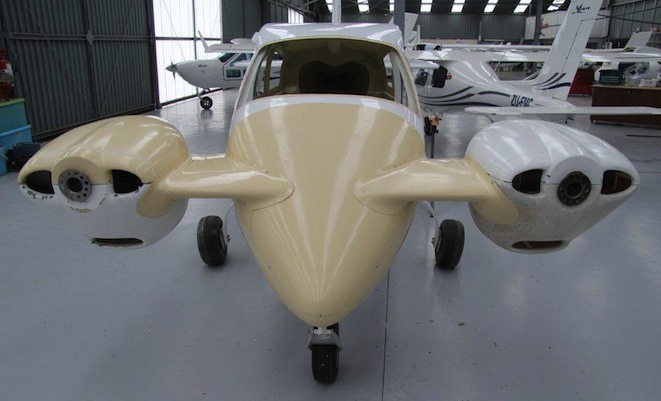
The twin engines are mounted on the nose of the aircraft in pods either side of the fuselage, offering unobstructed entry and exit from the aircraft cabin and obviating the complexities of wing-mounted engines. The design was adapted using the Jabiru 430 as the basis and aiming to meet FAR Part 23 standards. The structure is made of composites with aluminium connections to the engines.
Described by Jabiru as “a relatively simple bolt-on modification”, following further test flying Jabiru Southern Africa will now look to certification of a production aircraft by the South African CAA. Thereafter it is hoped the conversion could be offered as a kit to be fitted to existing J430s, joining the single-engine Jabiru, which outnumbers Cessna for its popularity in Southern Africa.
“In due course we hope to release this kit for Australian and USA builders and other countries that accept the experimental category,” Jabiru Aircraft said.








Ron
says:Excellent Jabiru! Ever since I saw the Cri Cri perform at Oshkosh back in 1978 with its two engines mounted on each side of the nose, I thought this concept could be adapted to larger scale aircraft. It’s a big plus for survivability, especially when the adverse yaw is minimal when one engine fails. I hope to see more designs follow your lead.
Shane Wiley
says:Even in its base form the South African production model can climb on the critical engine, but the design has changed and as of 2021 it is a different aircraft. The props are closer, engine cowls more aerodynamic and some weight improvements. In this current form it will be a game changer. Not good for flight schools tho, as those students want CSU propellers. When I was up at Bundaberg Jab factory last year I was impressed by what I saw on a very slim R&D budget. I wish I had taken a photo ( if allowed ).
Nigel
says:Lots of things you could say but i hope they have upgraded the nosewheel !