
 iscover
Warning: Undefined array key "image-size-770" in /data/www/upgrade/australianaviation.com.au/httpdocs/wp-content/themes/australianaviation/functions.php on line 1310
Warning: Trying to access array offset on null in /data/www/upgrade/australianaviation.com.au/httpdocs/wp-content/themes/australianaviation/functions.php on line 1310
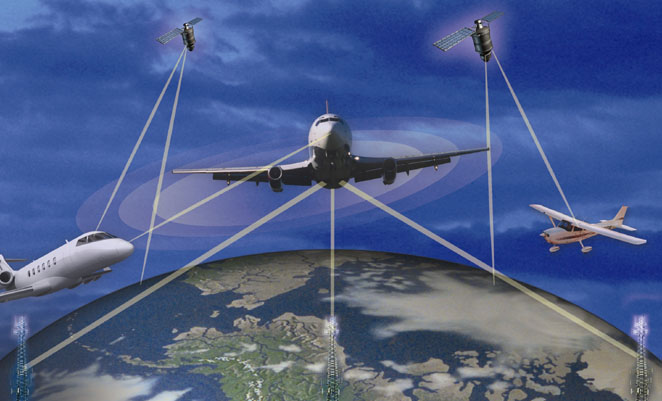
Airservices has hailed “a new era in air traffic surveillance” with a first fitment mandate for Automatic Dependent Surveillance Broadcast (ADS-B) for all aircraft flying at or above 29,000 feet coming into effect today.
ADS-B is a satellite-based technology enabling aircraft to be accurately tracked by air traffic controllers and other pilots without the need for conventional radar.
This content is available exclusively to Australian Aviation members.
A monthly membership is only $5.99 or save with our annual plans.
- Australian Aviation quarterly print & digital magazines
- Access to In Focus reports every month on our website
- Unlimited access to all Australian Aviation digital content
- Access to the Australian Aviation app
- Australian Aviation quarterly print & digital magazines
- Access to In Focus reports every month on our website
- Access to our Behind the Lens photo galleries and other exclusive content
- Daily news updates via our email bulletin
- Unlimited access to all Australian Aviation digital content
- Access to the Australian Aviation app
- Australian Aviation quarterly print & digital magazines
- Access to In Focus reports every month on our website
- Access to our Behind the Lens photo galleries and other exclusive content
- Daily news updates via our email bulletin
Airservices said the technology will provide an increase in safety to non-radar airspace while improving operational efficiency for the wider aviation industry. ADS-B also allows pilots operating with appropriate avionics to see aircraft in proximity on their cockpit displays, further increasing safety and situational awareness.
The technology also delivers benefits for the travelling public by providing their flights with improved access to preferred routes and flight levels, more efficient diversions around restricted areas and weather and increased accuracy of navigation.
The next key milestone for the transition to ADS-B will occur on February 6 2014 when Civil Aviation Safety Authority (CASA) regulations will require all new aircraft registrations in Australia to be ADS-B capable, if they are undertaking an IFR flight, as well as all new transponder installations in older aircraft needing to be ADS-B capable.
Two years later, on January 6 2016, all IFR aircraft operating within 500nm to the north and east of Perth, Western Australia, are required to be fitted with ADS-B.
By January 6 2017, all Australian registered IFR aircraft flying within Australia’s airspace, are required to operate using ADS-B.
Australia has a network of 61 ADS-B ground stations across Australia which provides continent-wide air traffic control surveillance. Over the next three years Airservices will install a further 15 ADS-B ground stations to provide additional surveillance coverage at lower altitudes and extend higher level coverage offshore.