
 iscover
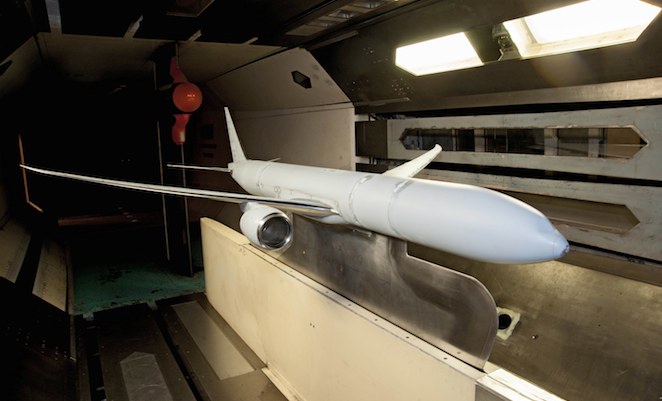
Boeing says it began high speed wind tunnel testing of the 777X at its transonic wind tunnel in Seattle last week
“The data will help engineers with the configuration development of the aircraft, validate computational fluid dynamics (CFD) predictions and support preliminary loads cycle development,” Boeing said in a statement.
This content is available exclusively to Australian Aviation members.
Login
Become a Member
To continue reading the rest of this article, please login.
To unlock all Australian Aviation magazine content and again unlimited access to our daily news and features, become a member today!
A monthly membership is only $5.99 or save with our annual plans.
A monthly membership is only $5.99 or save with our annual plans.
PRINT
$49.95 for 1 year
Become a Member
See benefits
- Australian Aviation quarterly print & digital magazines
- Access to In Focus reports every month on our website
MOST POPULAR
PRINT + DIGITAL
$99.95 for 1 year
Become a Member
$179.95 for 2 years
Become a Member
See benefits
- Unlimited access to all Australian Aviation digital content
- Access to the Australian Aviation app
- Australian Aviation quarterly print & digital magazines
- Access to In Focus reports every month on our website
- Access to our Behind the Lens photo galleries and other exclusive content
- Daily news updates via our email bulletin
DIGITAL
$5.99 Monthly
Become a Member
$59.95 Annual
Become a Member
See benefits
- Unlimited access to all Australian Aviation digital content
- Access to the Australian Aviation app
- Australian Aviation quarterly print & digital magazines
- Access to In Focus reports every month on our website
- Access to our Behind the Lens photo galleries and other exclusive content
- Daily news updates via our email bulletin
“Subsequent rounds of low-speed and high-speed testing will provide further design refinement and validation of overall airplane performance predictions. Also, wind tunnel tests for noise, icing and propulsion are scheduled in the coming years.”
Low speed wind tunnel testing, which is evaluating the 777X’s low speed performance, meanwhile, is continuing with QinetiQ in the UK.