
 iscover
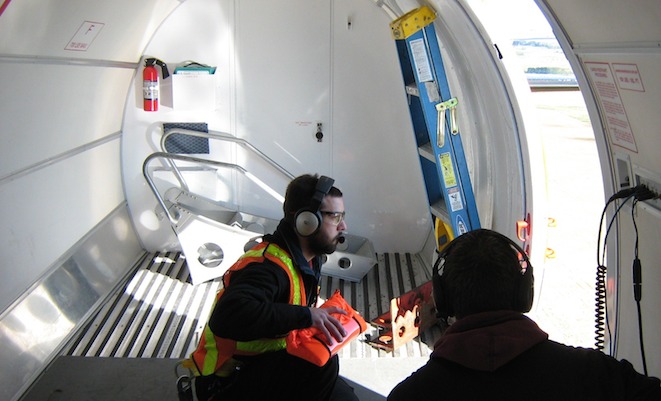
The Australian Maritime Safety Authority (AMSA) has conducted a training course for Australian Antarctic Division (AAD) contracted aircraft operators in Canada ahead of the Antarctic summer season.
The support aircraft were based in Calgary out of season, AMSA, said in a statement, and carried search and rescue equipment such as radio direction finding equipment for locating distress beacons and droppable life-support equipment.
This content is available exclusively to Australian Aviation members.
A monthly membership is only $5.99 or save with our annual plans.
- Australian Aviation quarterly print & digital magazines
- Access to In Focus reports every month on our website
- Unlimited access to all Australian Aviation digital content
- Access to the Australian Aviation app
- Australian Aviation quarterly print & digital magazines
- Access to In Focus reports every month on our website
- Access to our Behind the Lens photo galleries and other exclusive content
- Daily news updates via our email bulletin
- Unlimited access to all Australian Aviation digital content
- Access to the Australian Aviation app
- Australian Aviation quarterly print & digital magazines
- Access to In Focus reports every month on our website
- Access to our Behind the Lens photo galleries and other exclusive content
- Daily news updates via our email bulletin
The four-day course, conducted by two AMSA specialist search and rescue trainers, were for people going to be deployed to Antarctica this summer.
“Each Antarctic summer season, AAD contracts aircraft to support their operations in the Australian Antarctic Territory,” AMSA said.
“Annual training is undertaken to ensure that any AMSA tasked air searches and search and rescue supply-drop operations undertaken by AAD’s contracted aircraft are conducted effectively and safely.”
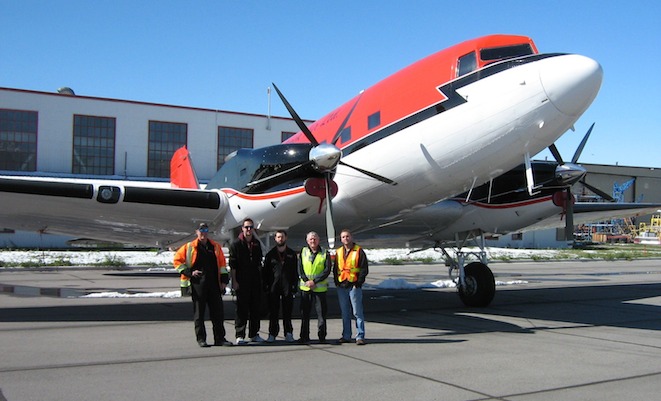
AAD director Tony Fleming said the training enhanced safety for personnel working in Antarctica.
“Given the remote and extreme conditions we work in, the AAD is keen to ensure the people working with our program have the best possible training,” Dr Fleming said in a statement.