
 iscover
Warning: Undefined array key "image-size-770" in /data/www/upgrade/australianaviation.com.au/httpdocs/wp-content/themes/australianaviation/functions.php on line 1310
Warning: Trying to access array offset on null in /data/www/upgrade/australianaviation.com.au/httpdocs/wp-content/themes/australianaviation/functions.php on line 1310
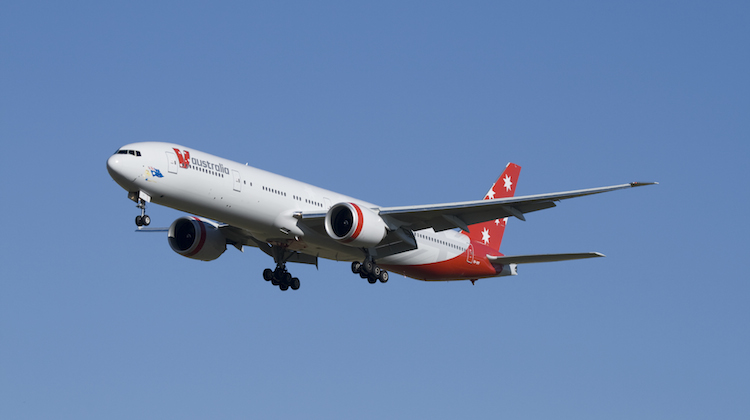
Pilots of a Virgin Australia Boeing 777-300ER that flew too low on approach to Melbourne Airport may have been suffering some fatigue towards the end of the long flight from Los Angeles, an Australian Transport Safety Bureau (ATSB) report says.
The August 15 2013 incident occurred when the captain – who was the pilot flying – of 777-300ER VH-VPF entered the wrong height into the flight management system for a particular navigation waypoint in preparation for landing on Tullamarine’s runway 34.
This content is available exclusively to Australian Aviation members.
A monthly membership is only $5.99 or save with our annual plans.
- Australian Aviation quarterly print & digital magazines
- Access to In Focus reports every month on our website
- Unlimited access to all Australian Aviation digital content
- Access to the Australian Aviation app
- Australian Aviation quarterly print & digital magazines
- Access to In Focus reports every month on our website
- Access to our Behind the Lens photo galleries and other exclusive content
- Daily news updates via our email bulletin
- Unlimited access to all Australian Aviation digital content
- Access to the Australian Aviation app
- Australian Aviation quarterly print & digital magazines
- Access to In Focus reports every month on our website
- Access to our Behind the Lens photo galleries and other exclusive content
- Daily news updates via our email bulletin
The height was lower than required for this particular waypoint, located above Essendon Airport, and resulted in the aircraft increasing its rate of descent to meet that height.
The error was not identified when the first officer returned from a rest break and conducted his checks, the ATSB report said.
As a result, the aircraft flew lower than the regular descent profile and reached about 500ft above ground level before levelling off as the captain turned off the autopilot and took manual control.
“The FO alerted the captain to the precision approach path indicator (PAPI), which was showing four red lights, indicating that they were well below the correct glidepath,” the ATSB said.
“The aircraft was flown level until re-established on the correct glidepath for a normal approach and landing.”
The flight was carrying 272 passengers and 17 crew.

The ATSB report noted both the captain and the first officer felt “tired” as the aircraft approached Melbourne but considered this was normal given the length of the flight.
While the ATSB said these types of errors made by the crew were “broadly consistent with the effects of fatigue”, there were also other possible reasons why the mistake was both made and then went undetected.
“Due to extended wakefulness, the crew were probably experiencing fatigue at a level that has been demonstrated to affect performance, although fatigue could not be confirmed as contributing to the error in developing the approach profile,” the ATSB report said.
“As such, it is difficult to conclude that fatigue actually contributed to the error and lack of detection on this occasion.
As a result of the incident, Virgin instructed its 777 pilots not to use this particular approach path for landing on runway 34 at Melbourne Airport.
Separately, Virgin stopped operating its 777s out of Melbourne in October 2014.







rickard jones
says:please pull out of Brisbane and fly from Melbourne to LAX daily