
 iscover
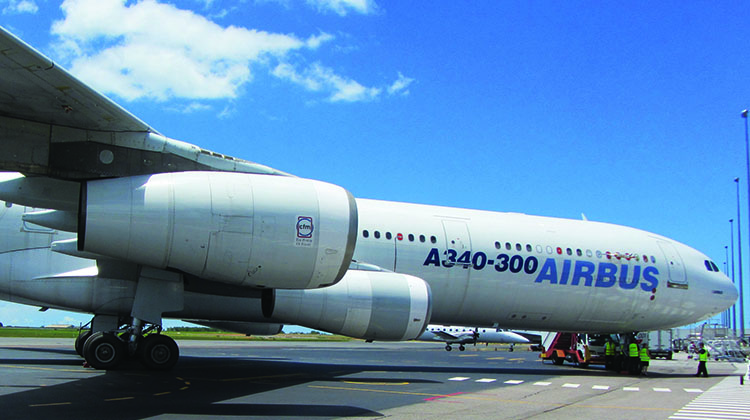
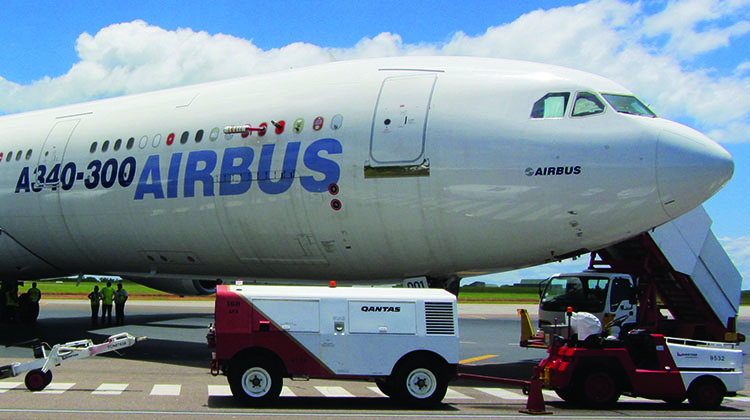
An Airbus A340 testbed is currently operating out of Darwin Airport in search of icing conditions in tropical thunderstorms as part of a flight test campaign to trial new technologies developed to detect icing conditions.
A340-300 F-WWAI – in fact A340 MSN1, the original A340 flight test development aircraft, which first flew in October 1991 – arrived in Darwin on January 11 and is due to remain there until the 22nd while it flies in support of the Airbus-led High Altitude Ice Crystals (HAIC) project.
This content is available exclusively to Australian Aviation members.
A monthly membership is only $5.99 or save with our annual plans.
- Australian Aviation quarterly print & digital magazines
- Access to In Focus reports every month on our website
- Unlimited access to all Australian Aviation digital content
- Access to the Australian Aviation app
- Australian Aviation quarterly print & digital magazines
- Access to In Focus reports every month on our website
- Access to our Behind the Lens photo galleries and other exclusive content
- Daily news updates via our email bulletin
- Unlimited access to all Australian Aviation digital content
- Access to the Australian Aviation app
- Australian Aviation quarterly print & digital magazines
- Access to In Focus reports every month on our website
- Access to our Behind the Lens photo galleries and other exclusive content
- Daily news updates via our email bulletin
“The flight test campaign is to test and validate new ice detection (ice detectors) and awareness (radars) technologies developed the framework of the HAIC (High Altitude Ice Crystals) project,” an Airbus spokesperson said in a statement.
“The project aims to enhance international flight safety and to prepare ways to comply with new regulations regarding mixed phase and glaciated icy conditions.”
Wet season storm activity brought the A340 to Darwin.
“Darwin has been selected as the operating base as areas of ice crystals/icing conditions are located close to deep convective complexes, like anvils of thunderstorms and tropical storms. These conditions are common in the Top End during the wet season.”
The HAIC consortium comprises 34 partner organisations from 11 European countries plus five international partners, including Australia’s Bureau of Meteorology.
The €22.6 million project, funded by the European Commission, began in August 2012 and is due to be completed by July 2016.









Malki
says:Lets hope what is learned through these tests is used for the entire aviation industry even if that means sharing some of that data with other manufacturers in Europe, the Americas and elsewhere.