
 iscover
Warning: Undefined array key "image-size-770" in /data/www/upgrade/australianaviation.com.au/httpdocs/wp-content/themes/australianaviation/functions.php on line 1310
Warning: Trying to access array offset on null in /data/www/upgrade/australianaviation.com.au/httpdocs/wp-content/themes/australianaviation/functions.php on line 1310

Australia’s Civil Aviation Safety Authority (CASA) is expected to return to an operating surplus in 2016/17, the budget papers show.
This content is available exclusively to Australian Aviation members.
A monthly membership is only $5.99 or save with our annual plans.
- Australian Aviation quarterly print & digital magazines
- Access to In Focus reports every month on our website
- Unlimited access to all Australian Aviation digital content
- Access to the Australian Aviation app
- Australian Aviation quarterly print & digital magazines
- Access to In Focus reports every month on our website
- Access to our Behind the Lens photo galleries and other exclusive content
- Daily news updates via our email bulletin
- Unlimited access to all Australian Aviation digital content
- Access to the Australian Aviation app
- Australian Aviation quarterly print & digital magazines
- Access to In Focus reports every month on our website
- Access to our Behind the Lens photo galleries and other exclusive content
- Daily news updates via our email bulletin
The aviation safety regulator is projected to post an $8.8 million deficit in the current financial year, a slightly better outcome than the previously forecast $10 million operating deficit, according to figures in the federal budget released on Tuesday night.
“The smaller than anticipated deficit is mainly due to a decrease in employee expenses resulting from a lower than forecast average staffing level,” the budget papers said.
CASA is then projected to return, albeit small, operating surpluses in the years ahead – $22,000 in 2016/17, $17,000 in 2017/18, $13,000 in 2018/19 and $10,000 in 2019/20. All were lower than the projected operating surpluses contained in the 2015/16 budget handed down a year ago.
The budget papers said CASA’s funding model – the body receives money from government, is paid fees by uses of its regulatory services, and collects a 3.556 cents per litre fuel excise on all domestic flights – was being reviewed.
In similar comments to the 2015/16 budget, the government said CASA’s funding model – the body receives money from government, is paid fees for its regulatory services and collects a 3.556 cents per litre fuel excise on all domestic flights – was being reviewed.
The review would “ensure that CASA had consistent and stable long term funding available to undertake its on-goon safety related functions”.

“A review of the funding arrangements for CASA is being undertaken to identify a model that will deliver greater financial stability for the organisation into the future,” the budget papers said.
The budget papers said there would be no increases in CASA’s fixed fees or hourly rates in 2016/17. The organisation was expected to collect $15 million in regulatory service fees and $1.5 million for the renewal of aviation security identification cards and aviation verification of identity cards over the next four financial years beginning in 2016/17.
The government noted the aviation landscape was “growing in complexity”, given the rise of low-cost carriers, the booming remotely piloted aircraft sector, rise in passenger numbers, ageing fleets in the smaller aircraft category and competition for qualified staff.
“Like other safety operators around the world, CASA faces all of these key challenges and is cognisant of the need to ensure that safety-related considerations are at the forefront of CASA’s regulatory actions for the benefit of the aviation community,” the budget papers said.
CASA was budgeted to receive $42.35 million from the federal government in 2016/17, compared with an estimated $46.461 million in the current year.
The fuel excise was forecast to generate $121.41 million, up from an estimated $116.577 million in 2015/16, while fees collected from regulatory services would rise by $853,000 to $15 million, from $14.147 million in the current year.
The amount raised from the fuel excise was expected to grow at 3.1 per cent per annum from $117.2 million in 2015/16 to $133.5 million by 2019/20.
However, the forecast rate of growth was lower than the projected 3.4 per cent increase in the previous year’s budget, reflecting the downturn in the mining and resources sector, as well as flat capacity growth from the major commercial carriers.
The organisation’s average staffing level was likely to increase from 795 currently to 805 in 2016/17.
CASA chairman Jeff Boyd said in December 2015 there needed to be a different funding model, and raised the prospect of changing the fuel excise and including international flights into the mix.
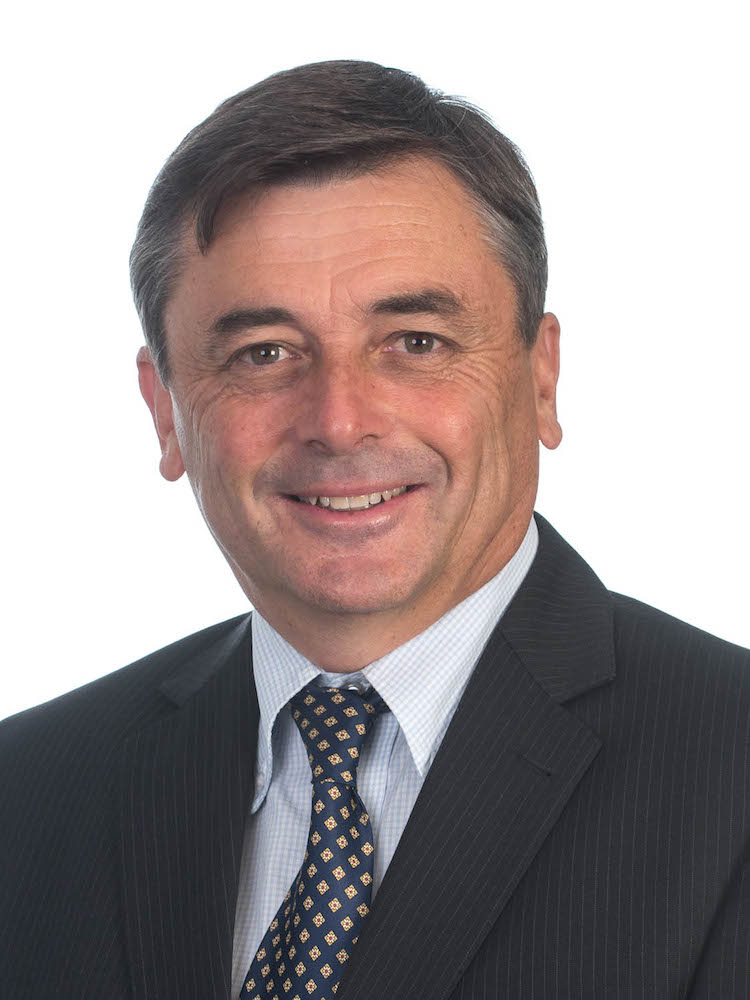
“One thing we would like to see is the internationals contribute something to the running of CASA. Anyone operating an international flight, there is not one cent of fuel tax on that international fuel,” Boyd told guests at a charity lunch.
“One of the suggestions we would have is some form of a levy that everyone pays. It could be as little as 20 cents or 25 cents, but if that is across the board – every person coming or going on every flight whether it be domestic or international in Australia – we could remove the fuel levy altogether.
“I think that is a far more equitable way of funding the organisation. I just have to convince the Minister and might need a bit of help from industry for that too.”







TSV
says:CASA should be a zero profit organisation,
While its expenditure needs to be monitored and regulated, at the end of the day it shouldn’t make a cent. It’s not a business with share holders.