 iscover
Warning: Undefined array key "image-size-770" in /data/www/upgrade/australianaviation.com.au/httpdocs/wp-content/themes/australianaviation/functions.php on line 1310
Warning: Trying to access array offset on null in /data/www/upgrade/australianaviation.com.au/httpdocs/wp-content/themes/australianaviation/functions.php on line 1310
Warning: Undefined array key "image-size-770" in /data/www/upgrade/australianaviation.com.au/httpdocs/wp-content/themes/australianaviation/functions.php on line 1310
Warning: Trying to access array offset on null in /data/www/upgrade/australianaviation.com.au/httpdocs/wp-content/themes/australianaviation/functions.php on line 1310
Warning: Undefined array key "image-size-770" in /data/www/upgrade/australianaviation.com.au/httpdocs/wp-content/themes/australianaviation/functions.php on line 1310
Warning: Trying to access array offset on null in /data/www/upgrade/australianaviation.com.au/httpdocs/wp-content/themes/australianaviation/functions.php on line 1310
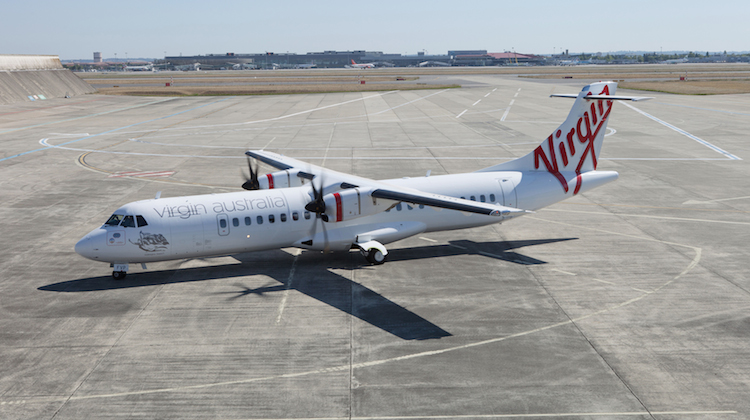
Aircraft manufacturer ATR expects the fast-growing Asia Pacific region will require 750 new turboprops over the next two decades to support the introduction of new routes and growing demand for travel from so-called secondary cities.
The figure does not include the Chinese market.
This content is available exclusively to Australian Aviation members.
A monthly membership is only $5.99 or save with our annual plans.
- Australian Aviation quarterly print & digital magazines
- Access to In Focus reports every month on our website
- Unlimited access to all Australian Aviation digital content
- Access to the Australian Aviation app
- Australian Aviation quarterly print & digital magazines
- Access to In Focus reports every month on our website
- Access to our Behind the Lens photo galleries and other exclusive content
- Daily news updates via our email bulletin
- Unlimited access to all Australian Aviation digital content
- Access to the Australian Aviation app
- Australian Aviation quarterly print & digital magazines
- Access to In Focus reports every month on our website
- Access to our Behind the Lens photo galleries and other exclusive content
- Daily news updates via our email bulletin
ATR said it expected about 600 new routes to be created in Asia Pacific (excluding China), with regional traffic demand in emerging countries forecast to grow “eight times faster than in more mature economies”.
“The regional market is often considered as a lower-end niche. Yet, the economic development that our connections stimulate can also generate much larger opportunities,” ATR head of global sales John Moore said in a statement.
“Especially since ATR aircraft are very efficient in a variety of airline business models in the region, including low-cost, full service, point-to-point and access to remote communities.”
In terms of global demand, ATR’s turboprop market forecast for 2016-2035, published at the Farnborough Airshow in the UK in July, said the turboprop fleet around the world would grow from about 2,100 aircraft in service currently to 3,900 by 2035.
The increase of 2,800 turboprops over the coming two decades would comprise 1,000 aircraft for replacement and 1,800 for growth, with 1,100 aircraft flying currently tipped to remain in service.
“Regardless of the fuel price, turboprops have extended their operational scope over jets, proving to be the preferred airline choice for short haul operations,” ATR’s turboprop market forecast said.

In late September, ATR delivered its first high capacity ATR 72-600 turboprop to launch customer Cebu Pacific. The aircraft has 78 seats in a one-class configuration, 10 more seats than the 68-seat ATR 72-600s featured on the type flown by the likes of Virgin Australia and Air New Zealand in this part of the world.
ATR also offers the ATR 72-600 in a combi or “cargo flex” configuration, where the cargo capacity is increased by 82 per cent, from 1,700kg to 3,100kg, while the number of seats is reduced to 44.

The company, a joint-venture between Airbus Group and Leonardo-Finmeccanica, also builds a 50-seat turboprop, the ATR 42-600.
Of the forecast 750 new turboprops to be delivered over the next 20 years, some 630 were expected to be for the larger 68-seat aircraft, with the remaining 120 for the 50-seat model.
Its competition in this segment of the market is Bombardier’s Q400, which is flown by Qantas subsidiary Sunstate under the QantasLink brand.
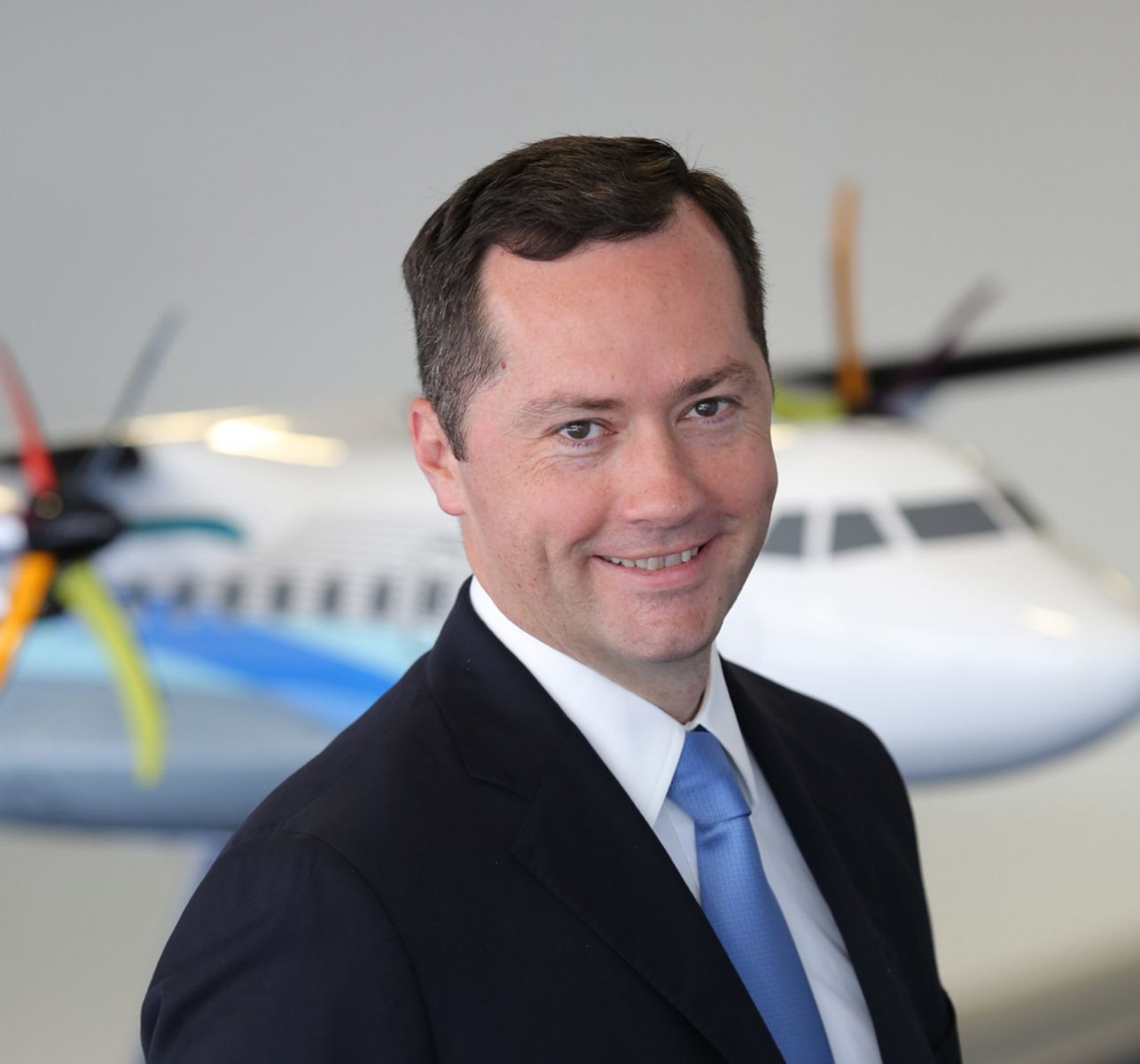
Meanwhile, ATR recently appointed Christian Scherer as its new chief executive, replacing Patrick de Castelbajac.
Scherer, who takes his post on November 1 for a four-year term, comes from Airbus Group, where he is currently executive vice president and head of Airbus Group International.
Appointed ATR chief executive in June 2014, de Castelbajac is leaving the company with about 18 months remaining on his four-year term to join Airbus as a member of the executive committee and as company secretary and chief of staff.