
 iscover
Warning: Attempt to read property "name" on false in /data/www/upgrade/australianaviation.com.au/httpdocs/wp-content/plugins/momentummedia-article-gate/includes/class-momentummedia-article-gate.php on line 169
Warning: Undefined array key "image-size-770" in /data/www/upgrade/australianaviation.com.au/httpdocs/wp-content/themes/australianaviation/functions.php on line 1310
Warning: Trying to access array offset on null in /data/www/upgrade/australianaviation.com.au/httpdocs/wp-content/themes/australianaviation/functions.php on line 1310
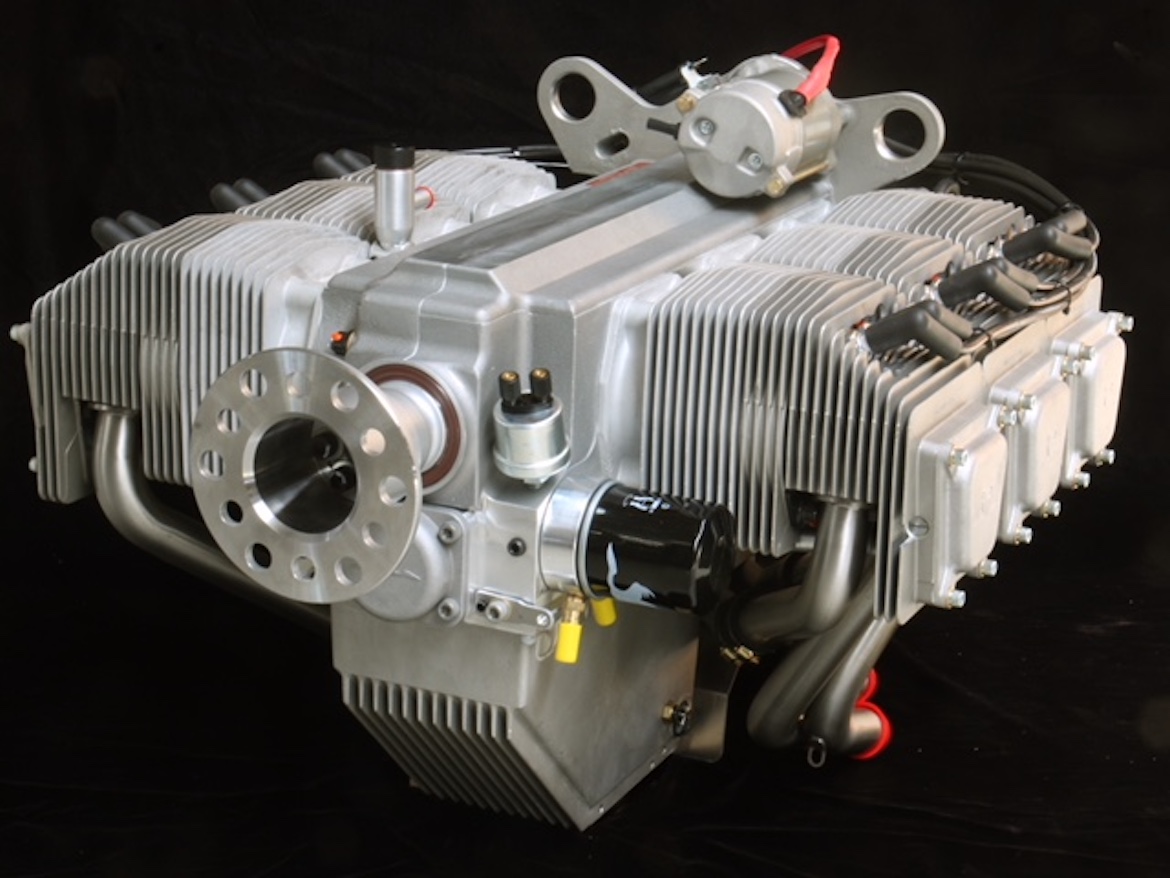
Bundaberg-based Jabiru Aircraft has dispatched more than 6,500 engines since the company was founded by Rodney Stiff in 1988.
Today, it powers aircraft all around the world, and 2,000 of those engines can be found in Jabiru airframes.
This content is available exclusively to Australian Aviation members.
A monthly membership is only $5.99 or save with our annual plans.
- Australian Aviation quarterly print & digital magazines
- Access to In Focus reports every month on our website
- Unlimited access to all Australian Aviation digital content
- Access to the Australian Aviation app
- Australian Aviation quarterly print & digital magazines
- Access to In Focus reports every month on our website
- Access to our Behind the Lens photo galleries and other exclusive content
- Daily news updates via our email bulletin
- Unlimited access to all Australian Aviation digital content
- Access to the Australian Aviation app
- Australian Aviation quarterly print & digital magazines
- Access to In Focus reports every month on our website
- Access to our Behind the Lens photo galleries and other exclusive content
- Daily news updates via our email bulletin
It is quite an achievement for an Australian-owned family business that has recently announced the arrival of its “4th Generation”, or “Gen 4” engine.
This generation of engine sets about tackling one of the enemies of aero-engines – rust.
With the average recreational aircraft owner only flying 30 to 40 hours a year, dormant periods on the ground leave the engine susceptible to rust in the steel barrels located within the cylinders.
Jabiru Aircraft has designed its Gen4 engines to incorporate an aluminium alloy cylinder barrel in conjunction with a new, specially designed piston among other features.
The Gen 4 engine is certified to the ASTM International Light Sport Aircraft (LSA) standard F2339, that being an international technical standard for the Design and Manufacture of Reciprocating Engines for LSA.
The qualifying test for the engine was the “Accelerated Overhaul Test”.

This involved an engine being run for 200 hours, with 83 hours at full power (3300 rpm) and the remainder at cruise power (2850 rpm), while one cylinder-head was kept operating at red line temperatures.
Furthermore, the process called for the engine to be cycled through the start sequence, cruise, and maximum power settings.
Following this, the engine was stripped and inspected, with the requirement that the engine wear did not exceed the limits expected after 1,000 hours as specified in the overhaul manual.
Jabiru says seventy Gen 4 engines delivered so far
To date, Jabiru Aircraft has delivered more than 70 Gen 4 engines around the world and has orders filling production through to September.
The new engine fits into most models of Jabiru engines easily with new air cooling ducts, which are included with the engine.
The Gen 4 engine sees Jabiru building upon 30 years of experience in the industry in a development that speaks more of a home grown evolution, rather than a revolution.







Steve
says:How about you run the engine for 1000hrs then pull it down and measure it for 1000hr specs to see if it can make 1000hrs as per specs ???