
 iscover
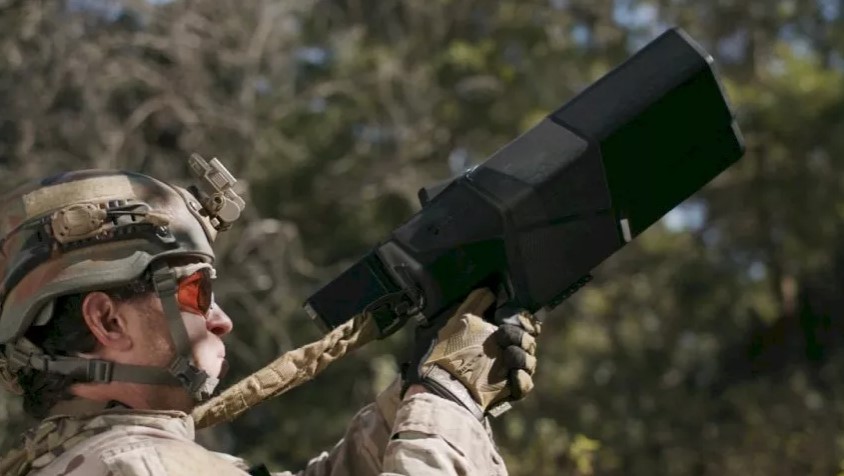
A Sydney-based business that manufactures products to detect and jam enemy drones has signed a two-year defence contract worth $3.8 million from an undisclosed Five Eyes country.
This content is available exclusively to Australian Aviation members.
A monthly membership is only $5.99 or save with our annual plans.
- Australian Aviation quarterly print & digital magazines
- Access to In Focus reports every month on our website
- Unlimited access to all Australian Aviation digital content
- Access to the Australian Aviation app
- Australian Aviation quarterly print & digital magazines
- Access to In Focus reports every month on our website
- Access to our Behind the Lens photo galleries and other exclusive content
- Daily news updates via our email bulletin
- Unlimited access to all Australian Aviation digital content
- Access to the Australian Aviation app
- Australian Aviation quarterly print & digital magazines
- Access to In Focus reports every month on our website
- Access to our Behind the Lens photo galleries and other exclusive content
- Daily news updates via our email bulletin
Approximately $2 million of the total contract value is scheduled for the June and September quarters of 2021.
“This contract is testament to the world-leading capabilities of the DroneShield team,” Oleg Vornik, DroneShield CEO, said.
The Five Eyes group of countries share intelligence information, and its members include Australia, Canada, New Zealand, the UK and US.
Last month, Australian Aviation reported how DroneShield signed a deal with a US company to place its technology onto tethered (TAV) drones.
The business’ deal with Zenith AeroTech will also see the latter company place a miniaturised radar into its TAV platforms, supporting counter-drone or drone swarm attacks.
Tethered drones are devices connected to the ground via a physical wire or cable, which enables them to fly for longer and boast more capabilities.

According to DroneShield, the partnership would enhance longer-range drone detection and countermeasure capabilities.
“By putting a detection capability on a TAV, which typically flies at 400 feet, you get better range than if you were to have these systems on a pole or ground vehicle,” Kutlay Kaya, CEO of Zenith Aerotech, said.
“Also, your alerts will be more accurate because, at elevation, you’ve eliminated clutter.”