iscover
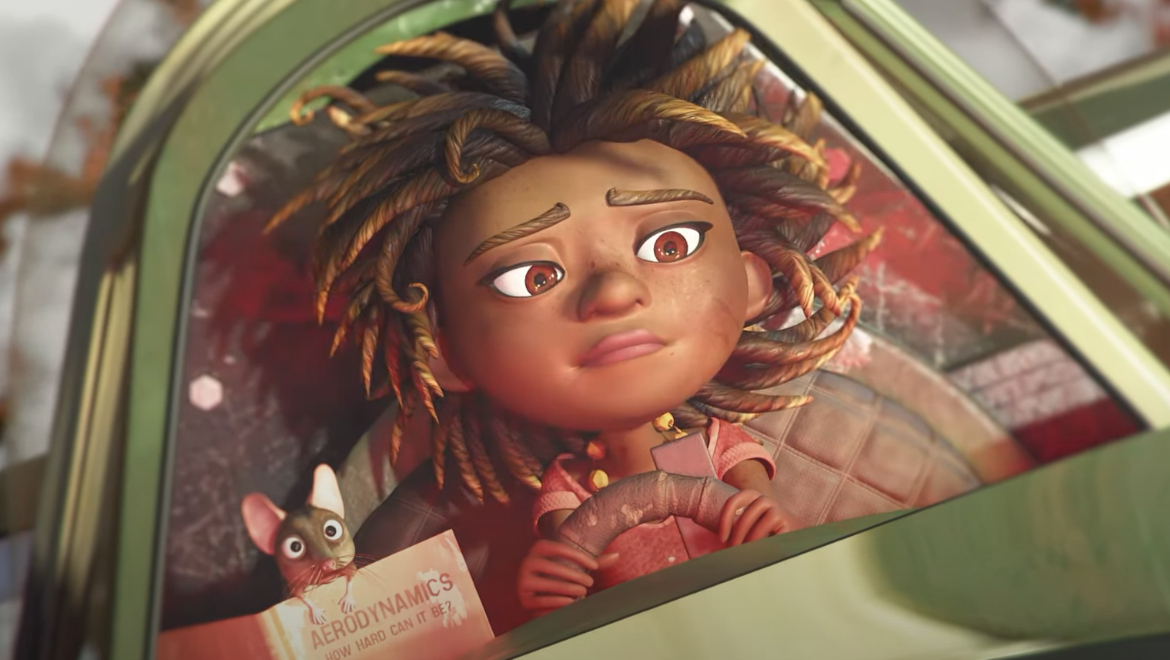
An animated character designed to inspire young Australians to pursue careers in space has caught a ride to the International Space Station.
‘Jarli’ was laser-etched onto a sensor co-developed by Western Sydney University and then transported to the ISS via SpaceX’s Falcon 9 CRS-24 Mission.
This content is available exclusively to Australian Aviation members.
A monthly membership is only $5.99 or save with our annual plans.
- Australian Aviation quarterly print & digital magazines
- Access to In Focus reports every month on our website
- Unlimited access to all Australian Aviation digital content
- Access to the Australian Aviation app
- Australian Aviation quarterly print & digital magazines
- Access to In Focus reports every month on our website
- Access to our Behind the Lens photo galleries and other exclusive content
- Daily news updates via our email bulletin
- Unlimited access to all Australian Aviation digital content
- Access to the Australian Aviation app
- Australian Aviation quarterly print & digital magazines
- Access to In Focus reports every month on our website
- Access to our Behind the Lens photo galleries and other exclusive content
- Daily news updates via our email bulletin
It will now live in the facility where it will transmit neuromorphic data back to earth in a world first.
Cath Roberts, Air Vice-Marshal and Defence Space Commander, said that the ADF had invested $7 billion to develop sovereign space capabilities over the next 10 years.
“The size of Australia’s civil space sector is set to triple by 2030, with projections of more than 20,000 jobs being created,” she said
“Today’s Australian primary school children will be starting jobs or higher-level education by 2030, and we need to ignite their passion for space. Jarli shows children how their STEM studies, combined with boldness and a can-do attitude, will open up many opportunities for their future.”
Defence Space Command is the new space division of the ADF and currently resides within the RAAF.
Jarli’s journey to the ISS was documented in a short film that tracked its development, from the early design in Australia through to the stringent testing in Houston by the U.S. Space Force, and finally its installation on the ISS.

Jarli first came into existence last year, when a seven-minute animated film was produced by the Animal Logic Academy at UTS for the Royal Australia Airforce in collaboration with First Nations storytellers.
The film was designed to inspire young Australians to embrace a career of discovery in the STEM fields.
Speaking about the character, Australia’s chief defence scientist, Professor Tanya Monro AC, said that Jarli had struck a chord with Australians, embodying the characteristics the next generation would harness to achieve great things.
“It is so inspiring for Australian children, particularly First Nations children, to see clever Australian inventions driving collaboration with the US Space Force and NASA,” said Professor Monro.
“For us to achieve our ambitions, the development of an Australian workforce with the necessary STEM skills is critical.”
Jarli is one of several initiatives that form part of a greater strategy to develop Australia’s sovereign space industry.
The team that created the sensors was led by associate professor Gregory Cohen, the lead researcher at WSU’s International Centre for Neuromorphic Systems.
The team has since developed their technology into a product called Astrosite, which has been selected to join a defence and security accelerator program run by the U.S. Department of Defense.