
 iscover
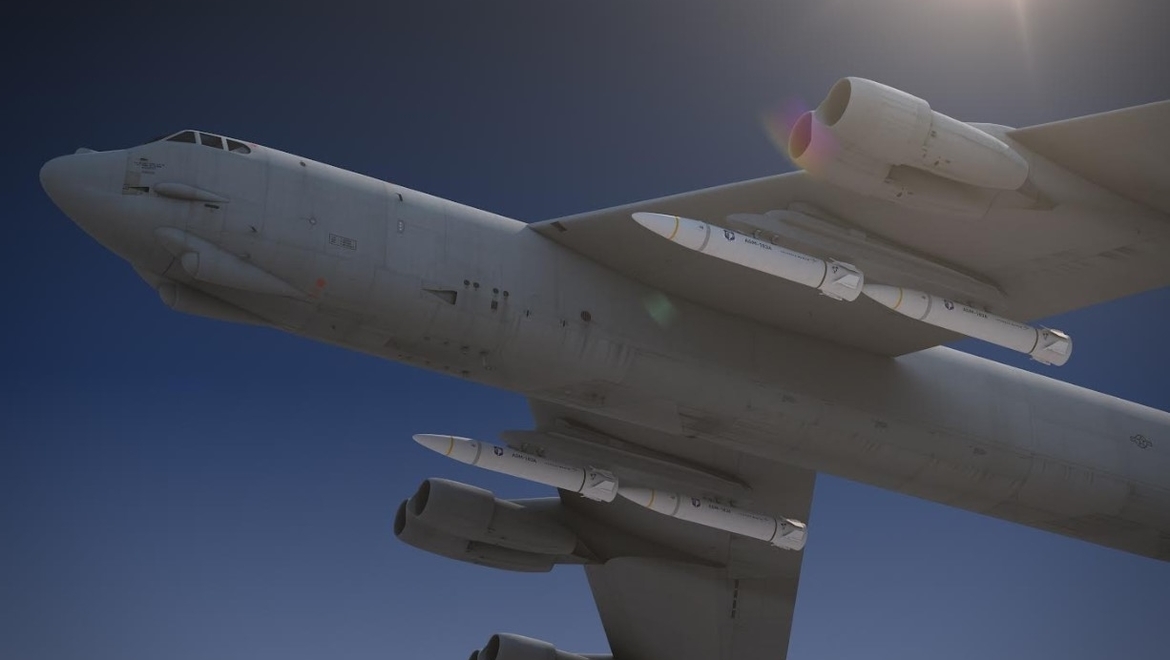
Carbon fibre composites manufacturer Quickstep is to work with Defence to try and identify the materials necessary to build the next generation of hypersonic weapons and aircraft.
While hypersonic tech — defined as flying at least five times the speed of sound — is nothing new, countries are currently in an arms race to develop the next generation of missiles that are so manoeuvrable in mid-air they can’t be intercepted or detected.
This content is available exclusively to Australian Aviation members.
A monthly membership is only $5.99 or save with our annual plans.
- Australian Aviation quarterly print & digital magazines
- Access to In Focus reports every month on our website
- Unlimited access to all Australian Aviation digital content
- Access to the Australian Aviation app
- Australian Aviation quarterly print & digital magazines
- Access to In Focus reports every month on our website
- Access to our Behind the Lens photo galleries and other exclusive content
- Daily news updates via our email bulletin
- Unlimited access to all Australian Aviation digital content
- Access to the Australian Aviation app
- Australian Aviation quarterly print & digital magazines
- Access to In Focus reports every month on our website
- Access to our Behind the Lens photo galleries and other exclusive content
- Daily news updates via our email bulletin
However, when objects fly so quickly the friction created can increase temperatures to more than 1,000 degrees.
Quickstep will work with UNSW on the ‘Hype-X’ project to identify and test materials that can survive extreme conditions.
Initially, the research will focus on the applicability of existing materials, before exploring novel materials and manufacturing processes to fill capability gaps.
Quickstep is expected to obtain commercialisation rights to any newly developed intellectual property (IP), with Defence retaining the IP ownership.
The Australian business’ CEO, Mark Burgess, said the company has a long history of developing and commercialising advanced composites processes and technologies.
“Innovation is at the core of Quickstep, and the Hype-X partnership positions the company in the development of sovereign hypersonic aerostructures and should further diversify and grow our business over the long term,” he said.

There are currently two major ways it’s thought manoeuvrable hypersonic vehicles and missiles could work.
The first, known as a hypersonic cruise missile, would see a rocket blast to Mach 5 before using an air-breathing engine, or scramjet, to maintain its momentum. Lockheed Martin has already conducted successful test flights of its own Hypersonic Air-breathing Weapon Concept, known as HAWC, that went beyond Mach 5 and hit a peak altitude of 65,000 feet.
The second, known as a glide vehicle, sees a rocket blast into the sky before releasing a separate hypersonic missile that has built up enough velocity to travel under its own speed. The two-step system means it can cruise along in the upper atmosphere with enough atmosphere to maintain lift but without too much to create drag.
Examples include Russia’s Avangard, the US Navy’s Conventional Prompt Strike system, and China’s aforementioned Dongfeng-17.
Dr Mark Hodge, the chief executive of Defence’s Materials Technology Centre, said, “I’m delighted that DMTC’s relationship with DSTG continues to grow and to have this opportunity to collaborate with Quickstep, an Australian company with a deep history of developing aerospace composites, and with UNSW.
“We are bringing expertise from across the nation’s leading aerospace R&D organisations to the fore in the development of hypersonic materials, which has far-reaching and important defence and national security applications.”
Australian Aviation’s new digital In-Focus edition examines hypersonic technology. To find out more and subscribe, click here.