
 iscover
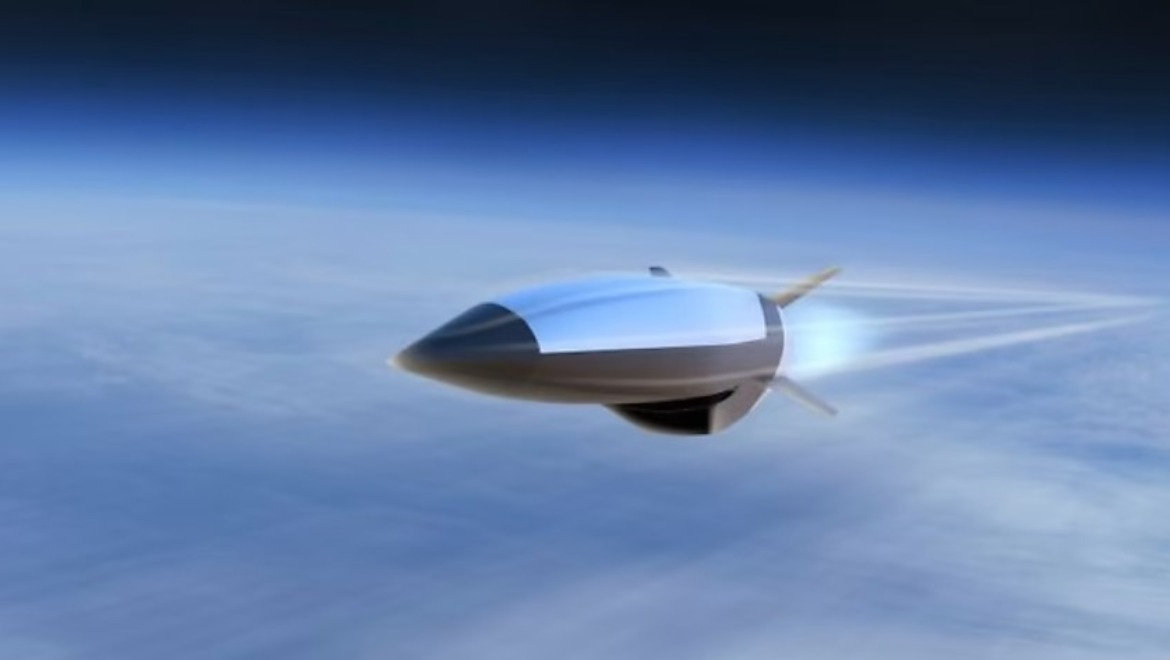
Australia’s venture into the development of hypersonic missiles with its AUKUS allies could cause instability in the region, according to Indonesia’s ambassador to Australia.
This content is available exclusively to Australian Aviation members.
A monthly membership is only $5.99 or save with our annual plans.
- Australian Aviation quarterly print & digital magazines
- Access to In Focus reports every month on our website
- Unlimited access to all Australian Aviation digital content
- Access to the Australian Aviation app
- Australian Aviation quarterly print & digital magazines
- Access to In Focus reports every month on our website
- Access to our Behind the Lens photo galleries and other exclusive content
- Daily news updates via our email bulletin
- Unlimited access to all Australian Aviation digital content
- Access to the Australian Aviation app
- Australian Aviation quarterly print & digital magazines
- Access to In Focus reports every month on our website
- Access to our Behind the Lens photo galleries and other exclusive content
- Daily news updates via our email bulletin
Siswo Pramono called the progress an “arms race” in an interview with The Guardian and raised concerns it could stifle economic progress because the research was “very expensive”.
“The point is that please have more dialogue to prevent the very expensive hypersonics arms race in the region,” he said.
In April, it was announced the UK would join Australia and the US in developing hypersonic missiles capable of being fired from aircraft such as the Super Hornet and F-35.
A statement on behalf of the then-leaders of the three countries said their collaboration had increased in response to Russia’s “unprovoked, unjustified, and unlawful invasion of Ukraine”.
Australia was previously working with just the US to develop the missiles, under what was known as the Southern Cross Integrated Flight Research Experiment (SCIFiRE).
While hypersonic tech — defined as flying at least five times the speed of sound — is nothing new, countries are currently in an arms race to develop the next generation of missiles that are so manoeuvrable in mid-air that they can’t be intercepted or detected.

There are currently two major ways it’s thought manoeuvrable hypersonic vehicles and missiles could work.
The first, known as a hypersonic cruise missile, would see a rocket blast to Mach 5 before using an air-breathing engine, or scramjet, to maintain its momentum.
The second, known as a glide vehicle, sees a rocket blast into the sky before releasing a separate hypersonic missile that has built up enough velocity to travel under its own speed. The two-step system means it can cruise along in the upper atmosphere with enough atmosphere to maintain lift but without too much to create drag.
In July, Australian Aviation reported how carbon fibre composites manufacturer Quickstep would work with Defence to try and identify the materials necessary to build the next generation of hypersonics.
When objects fly so quickly the friction created can increase temperatures to more than 1,000 degrees. Quickstep will therefore work with UNSW on the ‘Hype-X’ project to identify and test materials that can survive extreme conditions.
Initially, the research will focus on the applicability of existing materials, before exploring novel materials and manufacturing processes to fill capability gaps.
Quickstep is expected to obtain commercialisation rights to any newly developed intellectual property (IP), with Defence retaining the IP ownership.