
 iscover
Warning: Undefined array key "image-size-770" in /data/www/upgrade/australianaviation.com.au/httpdocs/wp-content/themes/australianaviation/functions.php on line 1310
Warning: Trying to access array offset on null in /data/www/upgrade/australianaviation.com.au/httpdocs/wp-content/themes/australianaviation/functions.php on line 1310
Warning: Undefined array key "image-size-770" in /data/www/upgrade/australianaviation.com.au/httpdocs/wp-content/themes/australianaviation/functions.php on line 1310
Warning: Trying to access array offset on null in /data/www/upgrade/australianaviation.com.au/httpdocs/wp-content/themes/australianaviation/functions.php on line 1310
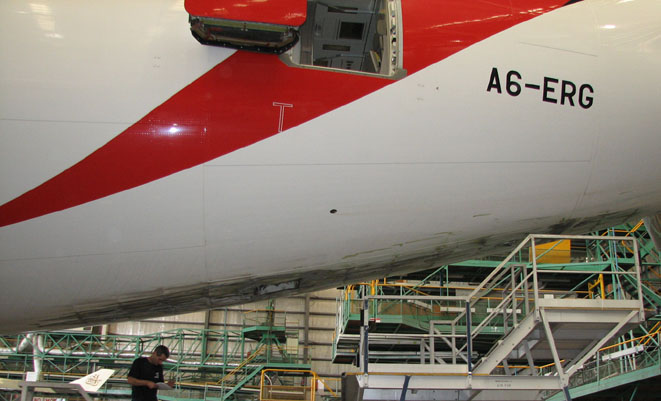
The incorrect entry of takeoff weight data resulted in the tailstrike and runway overrun of an Emirates Airbus A340 on departure from Melbourne Airport in March 2009, an ATSB investigation has found.
The A340-500, A6-ERG, was carrying 18 crew and 257 passengers at the time of the incident.
This content is available exclusively to Australian Aviation members.
A monthly membership is only $5.99 or save with our annual plans.
- Australian Aviation quarterly print & digital magazines
- Access to In Focus reports every month on our website
- Unlimited access to all Australian Aviation digital content
- Access to the Australian Aviation app
- Australian Aviation quarterly print & digital magazines
- Access to In Focus reports every month on our website
- Access to our Behind the Lens photo galleries and other exclusive content
- Daily news updates via our email bulletin
- Unlimited access to all Australian Aviation digital content
- Access to the Australian Aviation app
- Australian Aviation quarterly print & digital magazines
- Access to In Focus reports every month on our website
- Access to our Behind the Lens photo galleries and other exclusive content
- Daily news updates via our email bulletin
“The investigation found that the accident resulted from the use of erroneous takeoff performance parameters,” the report reads.
“Those erroneous parameters were themselves a result of an incorrect takeoff weight being inadvertently entered into the electronic flight bag during the pre-departure preparation. Due to a number of factors, the incorrect data entry passed through the subsequent checks without detection,” it continues.
The report further found that the 2009 error in Emirates flight EK407 was not unique, and similar events continue to occur throughout the world.
“These sorts of errors have potentially serious safety consequences,” said ATSB Chief Commissioner Martin Dolan.
“We now understand what caused the error and why it wasn’t picked up,” Dolan said. “We also know there have been a number of other accidents and incidents that involved similar errors in the range of difference aircraft operated by different airlines around the world.”
Dolan also noted the work being done to minimise the risk of similar events in the future.


“It is encouraging to see the significant safety action that is occurring as a result of the ATSB’s investigation.”
The full report can be downloaded from the ATSB website.







Martin
says:ATSB report is enlightening even if only skimmed through. Intention of flight crew was to record 362.9 tonnes take-off weight but 262.9 tonnes was inadvertently entered (ie: only ~72% of actual weight). Fortunately, in this case the aircraft did lift off and made a safe emergency landing after dumping fuel but other similar cases listed in the ATSB report had tragic consequences.
Automated aircraft weight and CG data calculating / transfer and take off performance monitoring systems would not seem to be too complex or expensive systems to develop these days, but ATSB indicates they are not yet commercially available despite various previous accident recommendations and research activities.