 iscover
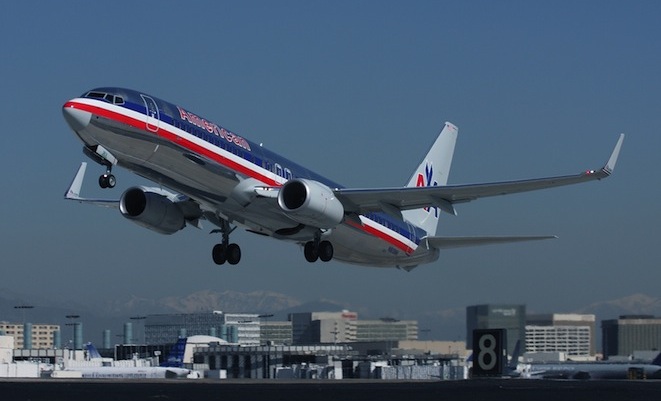
Boeing projects demand for more than 35,000 new aircraft over the next 20 years, valued at US$4.8 trillion. In its annual Current Market Outlook (CMO) Boeing expects the world fleet to double over the next two decades. Both passenger traffic and cargo traffic are expected to grow five percent annually.
“This forecast gives us confidence as we increase our production rates and invest in new products like the 777X and 787-10X,” said Randy Tinseth, vice president of Marketing, Boeing Commercial Airplanes. “Airlines are demanding more efficiency and that is exactly what we’ll be giving them.”
This content is available exclusively to Australian Aviation members.
A monthly membership is only $5.99 or save with our annual plans.
- Australian Aviation quarterly print & digital magazines
- Access to In Focus reports every month on our website
- Unlimited access to all Australian Aviation digital content
- Access to the Australian Aviation app
- Australian Aviation quarterly print & digital magazines
- Access to In Focus reports every month on our website
- Access to our Behind the Lens photo galleries and other exclusive content
- Daily news updates via our email bulletin
- Unlimited access to all Australian Aviation digital content
- Access to the Australian Aviation app
- Australian Aviation quarterly print & digital magazines
- Access to In Focus reports every month on our website
- Access to our Behind the Lens photo galleries and other exclusive content
- Daily news updates via our email bulletin
The single-aisle market, served by Boeing’s Next-Generation 737 and the future 737 MAX, is the main driver of the forecast and continues to show strength. 24,670 new aircraft will be needed in this segment due to the growth of low-cost carriers and airlines from emerging markets.
Widebodies, such as Boeing’s 747-8, 777 and 787 also make up a large part of the forecast. 8,590 new aircraft that will be needed in this segment, fuelled in part by airlines replacing their older fleet with new, more fuel-efficient aircraft.
|
New Aircraft Deliveries: 2013-2032 |
|||
|
Aircraft type |
Seats |
Total deliveries |
Dollar value |
|
Regional jets |
90 and below |
2,020 |
$80B |
|
Single-aisle |
90 – 230 |
24,670 |
$2,290B |
|
Small wide-body |
200 – 300 |
4,530 |
$1,100B |
|
Medium wide-body |
300 – 400 |
3,300 |
$1,090B |
|
Large wide-body |
400 and above |
760 |
$280B |
The market for new aircraft will continue to become more geographically balanced over the next two decades. Asia-Pacific, including China, will lead the way in total aircraft deliveries.
|
New Aircraft Deliveries: 2013-2032 |
|
|
Region |
Aircraft deliveries |
|
Asia-Pacific |
12,820 |
|
Europe |
7,460 |
|
North America |
7,250 |
|
Latin America |
2,900 |
|
Middle East |
2,610 |
|
C.I.S. |
1,170 |
|
Africa |
1,070 |
|
World Total |
35,280 |

After facing high and volatile fuel prices and a highly competitive environment, airlines have been forced to change the way they manage their business.
“Our customers are focused on growing their networks, managing their capacity and investing in new fleets,” said Tinseth. “These trends will shape market demand for aircraft that have highly efficiency, low operating costs, environmentally progressive technologies and a great passenger experience. We believe Boeing’s current and future products are perfectly aligned to meet those needs.”