
 iscover
Warning: Undefined array key "image-size-770" in /data/www/upgrade/australianaviation.com.au/httpdocs/wp-content/themes/australianaviation/functions.php on line 1310
Warning: Trying to access array offset on null in /data/www/upgrade/australianaviation.com.au/httpdocs/wp-content/themes/australianaviation/functions.php on line 1310
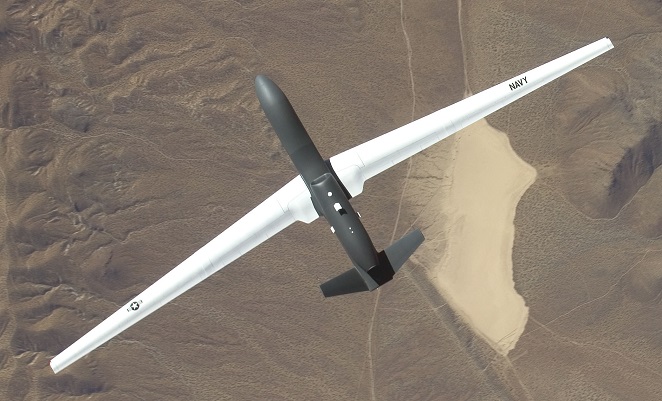
The Williams Foundation think-tank has released a report in which it says Australia should fast-track its adoption of unmanned systems for military, commercial and civil aviation tasks.
The report – Protecting Australia with Unmanned Aerial Systems – contains recommendations for Defence and for Government, including the development of appropriate safety and regulatory frameworks, the acquisition of unmanned surveillance and reconnaissance aircraft and, the consideration of buying an unmanned combat air system (UCAS) capability.
This content is available exclusively to Australian Aviation members.
A monthly membership is only $5.99 or save with our annual plans.
- Australian Aviation quarterly print & digital magazines
- Access to In Focus reports every month on our website
- Unlimited access to all Australian Aviation digital content
- Access to the Australian Aviation app
- Australian Aviation quarterly print & digital magazines
- Access to In Focus reports every month on our website
- Access to our Behind the Lens photo galleries and other exclusive content
- Daily news updates via our email bulletin
- Unlimited access to all Australian Aviation digital content
- Access to the Australian Aviation app
- Australian Aviation quarterly print & digital magazines
- Access to In Focus reports every month on our website
- Access to our Behind the Lens photo galleries and other exclusive content
- Daily news updates via our email bulletin
“The Australian Defence Force’s recent successful use of unmanned aerial systems in Iraq and Afghanistan provides an ideal platform for the broader exploitation of this technology Williams Foundation Chairman and former Chief of Air Force, AIRMSHL Errol McCormack (rtd) said in a statement. “This is the right time to clear the way for acquisition of the technology we need to protect Australia in the safest, most efficient and cost effective way.”
For example, it recommends the scope of the current Project AIR7000 Phase 1B maritime surveillance system be expanded to include the acquisition of a strike capability for the chosen ISR platform.
The report was prepared after a series of interviews, seminar and submissions, and can be found at https://www.williamsfoundation.org.au/researchpapers








Dane
says:There’s a big difference between operating Scan Eagles and Herons to operating Tritons and armed UAVs. Even if we got such systems today, it would be the better part of a decade before they achieved IOC. Long term, the addition on Tritons to our border protection, ASW and ASuW capability will be a huge benefits, but there’s a lot that will have to happen before they can undertake that role.
As for armed UAVs, Australian aircraft haven’t fired a shot in anger for a long time so I can’t see a huge requirement for them in the near future. There’s the moral issues of operating such technology and I can’t imagine any government wanting to remain in office purchasing such platforms.
James
says:While the Williams Foundation is a good article highlighting points such as jamming of communications been a problem with UAS. UAS also need big improvements in payload and ability to power multiple electronic war systems at once. Another issue is the inability to operate in bad weather and icing as well as the ability to separate with other UAS and manned aircraft all these issues need sorting if UAS are to take on more roles that manned aircraft currently perform.