
 iscover
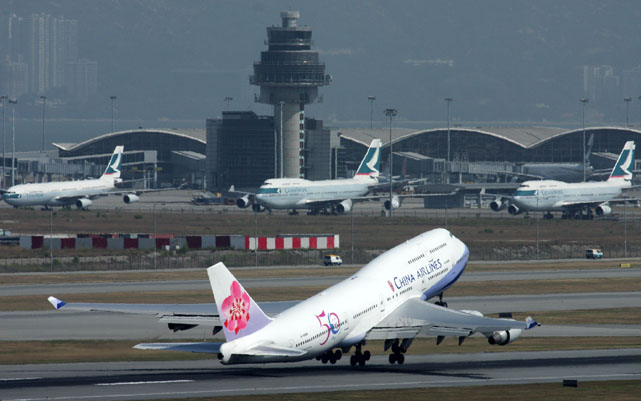
As expected, preliminary ICAO statistics record that 2009 saw the biggest decline in passenger traffic during the jet age.
Compared to 2008, international passenger traffic decreased by 3.9 per cent while domestic travel was down 1.8 per cent, leaving overall passenger traffic down 3.1 per cent as capacity declined by the same amount. All regions experienced declines in passenger volumes, with the exception of the Middle East, where carriers saw a 10 per cent increase in traffic.
This content is available exclusively to Australian Aviation members.
A monthly membership is only $5.99 or save with our annual plans.
- Australian Aviation quarterly print & digital magazines
- Access to In Focus reports every month on our website
- Unlimited access to all Australian Aviation digital content
- Access to the Australian Aviation app
- Australian Aviation quarterly print & digital magazines
- Access to In Focus reports every month on our website
- Access to our Behind the Lens photo galleries and other exclusive content
- Daily news updates via our email bulletin
- Unlimited access to all Australian Aviation digital content
- Access to the Australian Aviation app
- Australian Aviation quarterly print & digital magazines
- Access to In Focus reports every month on our website
- Access to our Behind the Lens photo galleries and other exclusive content
- Daily news updates via our email bulletin
Air cargo volumes were hit harder, registering a 15 per cent fall on the previous year as world trade slowed due to the economic crisis. This was primarily led by Asia Pacific cargo carriers, which carry over one-third of global air cargo, where volumes fell 14 per cent.
Despite the falls, signs of economic recovery in some regions point towards a moderate recovery in passenger traffic during 2010, with ICAO forecasting growth of 3.3 per cent, which is expected to continue into 2011 before it jumps up to 5.5 per cent the year after.