 iscover
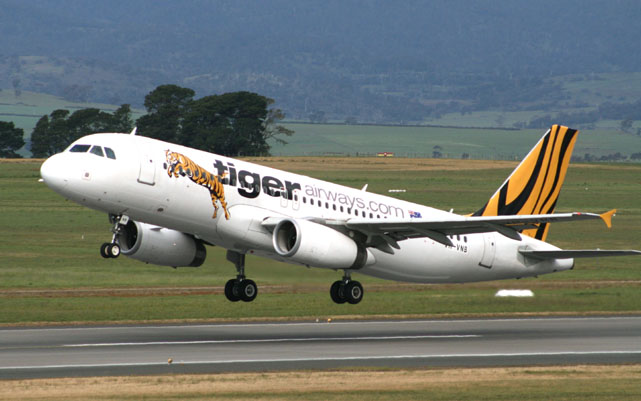
Tiger Aviation Group, the parent company of Tiger Airways, has lodged documents with Singaporean authorities confirming that it will launch an initial public offering (IPO) to help fund aircraft acquisitions and repay debt.
According to various media reports, the company has filed a preliminary prospectus with the Monetary Authority of Singapore which will see part of the 24 per cent stake owned by Indigo Partners sold off in the proposed IPO, which will take place in 2010. The prospectus does not say what price the shares will be listed at, or how much is expected to be raised. Citigroup, DBS Bank and Morgan Stanley will manage the IPO.
This content is available exclusively to Australian Aviation members.
A monthly membership is only $5.99 or save with our annual plans.
- Australian Aviation quarterly print & digital magazines
- Access to In Focus reports every month on our website
- Unlimited access to all Australian Aviation digital content
- Access to the Australian Aviation app
- Australian Aviation quarterly print & digital magazines
- Access to In Focus reports every month on our website
- Access to our Behind the Lens photo galleries and other exclusive content
- Daily news updates via our email bulletin
- Unlimited access to all Australian Aviation digital content
- Access to the Australian Aviation app
- Australian Aviation quarterly print & digital magazines
- Access to In Focus reports every month on our website
- Access to our Behind the Lens photo galleries and other exclusive content
- Daily news updates via our email bulletin
The prospectus notes that the funds will be primarily used to finance the delivery of new A320s for Tiger Airways’s operations in Singapore and Australia. Some is also likely to be used as working capital after losses from its Australian operations during the 2008 financial year left the carrier’s cash reserves depleted.
Interestingly, it appears that Singapore Airlines will maintain its 49 per cent stake in the low cost carrier. SIA recently stopped accounting for Tiger’s losses in its accounts after the cumulative losses exceeded its original investment in the carrier.