iscover
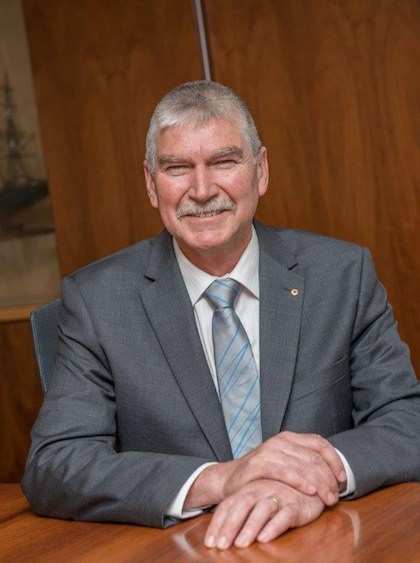
CASA director of aviation safety Mark Skidmore says the regulator faces the constant challenge of striking the right balance between maintaining appropriate safety standards without placing too much of a burden on operators.
“Looking back we can see times when the pendulum has swung both ways, possibly too much at times,” Skidmore told Flight Safety Australia on the 20th anniversary of CASA’s formation on July 6.
This content is available exclusively to Australian Aviation members.
A monthly membership is only $5.99 or save with our annual plans.
- Australian Aviation quarterly print & digital magazines
- Access to In Focus reports every month on our website
- Unlimited access to all Australian Aviation digital content
- Access to the Australian Aviation app
- Australian Aviation quarterly print & digital magazines
- Access to In Focus reports every month on our website
- Access to our Behind the Lens photo galleries and other exclusive content
- Daily news updates via our email bulletin
- Unlimited access to all Australian Aviation digital content
- Access to the Australian Aviation app
- Australian Aviation quarterly print & digital magazines
- Access to In Focus reports every month on our website
- Access to our Behind the Lens photo galleries and other exclusive content
- Daily news updates via our email bulletin
“I see my role as making sure the CASA of today and into the future gets the balance right. An aviation safety regulator cannot take a ‘light’ approach to safety, nor can we overburden the aviation community with regulation that has unintended consequences or fails to deliver the right outcomes,” the CASA DAS said.
“CASA may never be perfect but we will keep working to deliver safe skies for all.”
Both the Civil Aviation Safety Authority and Airservies Australia were created on July 6 1995 with the splitting up of the then Civil Aviation Authority’s (CAA) responsibilities, leaving CASA as the nation’s air safety regulator and Airservices to manage air traffic control for Australia’s civil airspace.
Two decades on from its creation, Airservices is now responsible for four million flights a year carrying about 90 million passengers.