
 iscover
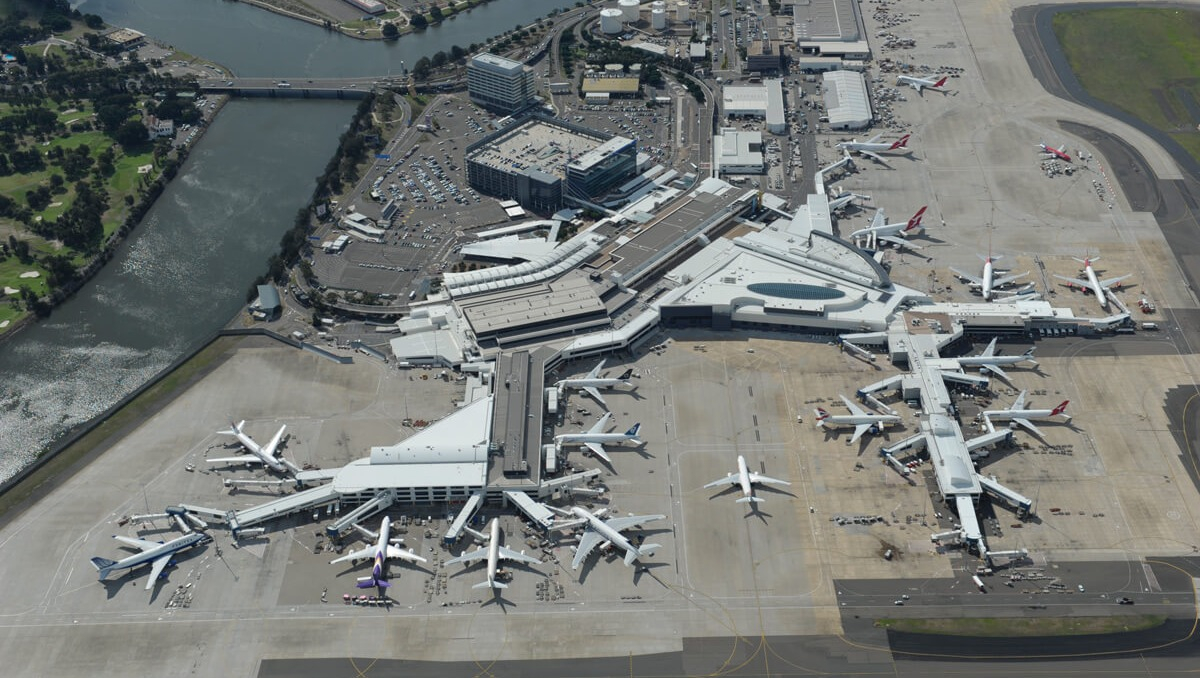
Sydney Airport’s CEO has claimed the domestic aviation recovery has been “stagnant” since April last year, with numbers still 17 per cent down compared to pre-pandemic.
In a significant intervention, Geoff Culbert appeared to blame airlines for offering fewer seats for sale to consumers alongside higher airfares.
This content is available exclusively to Australian Aviation members.
A monthly membership is only $5.99 or save with our annual plans.
- Australian Aviation quarterly print & digital magazines
- Access to In Focus reports every month on our website
- Unlimited access to all Australian Aviation digital content
- Access to the Australian Aviation app
- Australian Aviation quarterly print & digital magazines
- Access to In Focus reports every month on our website
- Access to our Behind the Lens photo galleries and other exclusive content
- Daily news updates via our email bulletin
- Unlimited access to all Australian Aviation digital content
- Access to the Australian Aviation app
- Australian Aviation quarterly print & digital magazines
- Access to In Focus reports every month on our website
- Access to our Behind the Lens photo galleries and other exclusive content
- Daily news updates via our email bulletin
Nationwide, the domestic aviation industry peaked at 97 per cent pre-pandemic passenger numbers in June last year, but it came alongside all-time records for delays being broken that month and in April and July. Since then, the industry has recruited thousands of extra staff and cut flights to improve the passenger experience.
However, recent figures appear to show capacity is failing to return to the market as quickly as hoped, which is in itself leading to higher airfares and fewer people flying.
The news comes despite the ACCC saying late last year it would be monitoring domestic airlines closely to “ensure they return capacity to the market in a timely manner” to bring downward pressure on airfares.
In total, 1,726,000 domestic travellers through Sydney’s terminals in February 2023 – just 82.9 per cent of the same month in 2019 and only 71.9 per cent growth over February 2022.
“The domestic passenger recovery at Sydney Airport has been stagnant since April last year, with reduced capacity and high airfares impacting people’s travelling habits,” said Culbert.
International travel has seen a much speedier recovery – while February’s 1,006,000 international passengers were only 76.3 per cent of February 2019 traffic, this is a 336.9 per cent improvement on February 2022. In total, 2,732,000 passengers passed through Sydney Airport last month, an 80.4 per cent recovery compared to February 2019.

The lion’s share of international passengers were Australians travelling abroad, followed by New Zealanders. Americans ranked third, with 80.9 per cent recovery in February compared to 75.3 per cent in January, with China ranking fifth behind the UK, up from seventh in January.
According to Culbert, momentum is rebuilding for international travel following the lifting of border restrictions on mainland China.
“In December last year, we had just three airlines on the route flying only four return services a week. By the end of April, we’ll have six airlines onboard with 26 flights a week to mainland China,” he said.
“There’s still plenty of work ahead, with the number of Chinese nationals travelling through Sydney in February only 24.9 per cent recovered compared to pre-COVID.”
Australian Aviation reported last week that Melbourne Airport has seen a similar recovery, with its total February 2023 passenger traffic at only 81 per cent of its capacity from February 2019.
In its quarterly report earlier this month, the ACCC revealed that 5.9 million domestic seats were made available for travel around Australia in January, with Qantas flying at 102 per cent of pre-pandemic capacity, Virgin at 96 per cent, and Jetstar at 84 per cent.