
 iscover
Warning: Undefined array key "image-size-770" in /data/www/upgrade/australianaviation.com.au/httpdocs/wp-content/themes/australianaviation/functions.php on line 1310
Warning: Trying to access array offset on null in /data/www/upgrade/australianaviation.com.au/httpdocs/wp-content/themes/australianaviation/functions.php on line 1310
Warning: Undefined array key "image-size-770" in /data/www/upgrade/australianaviation.com.au/httpdocs/wp-content/themes/australianaviation/functions.php on line 1310
Warning: Trying to access array offset on null in /data/www/upgrade/australianaviation.com.au/httpdocs/wp-content/themes/australianaviation/functions.php on line 1310
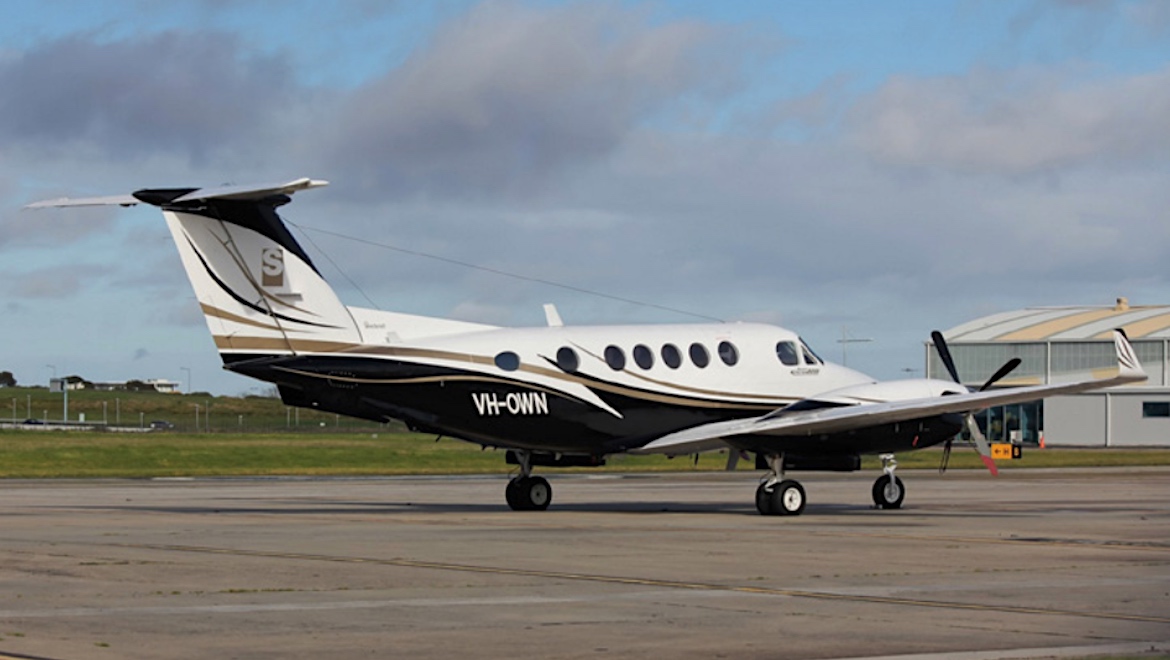
Two Beech King Airs came within approximately 300ft vertically of each other on approach to Mount Hotham Airport as the pilot of one of the aircraft grappled with GPS and autopilot difficulties while flying in instrument meteorology conditions, an Australian Transport Safety Bureau (ATSB) final report has found.
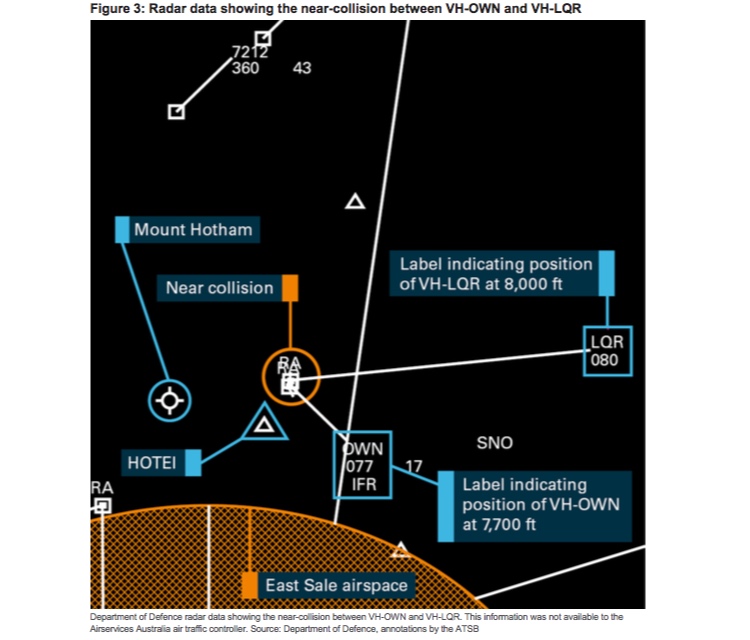
In the September 3 2015 incident, King Air VH-OWN was found to have come within around 300ft vertically of another King Air, VH-LQR, that was also on approach to Mount Hotham Airport, which is located at 4,300ft above sea level in the Victorian alps.
This content is available exclusively to Australian Aviation members.
A monthly membership is only $5.99 or save with our annual plans.
- Australian Aviation quarterly print & digital magazines
- Access to In Focus reports every month on our website
- Unlimited access to all Australian Aviation digital content
- Access to the Australian Aviation app
- Australian Aviation quarterly print & digital magazines
- Access to In Focus reports every month on our website
- Access to our Behind the Lens photo galleries and other exclusive content
- Daily news updates via our email bulletin
- Unlimited access to all Australian Aviation digital content
- Access to the Australian Aviation app
- Australian Aviation quarterly print & digital magazines
- Access to In Focus reports every month on our website
- Access to our Behind the Lens photo galleries and other exclusive content
- Daily news updates via our email bulletin
The ATSB report found the pilot of VH-OWN, who was also the pilot of a King Air that crashed shortly after takeoff from Essendon Airport in February 2017, killing all five people on board, had descended the aircraft below the minimum altitude and exceeded the tracking tolerance of the approach to Mount Hotham after experiencing GPS and autopilot difficulties.
“The pilot twice climbed the aircraft without following the prescribed missed approach procedure and manoeuvred in the Mount Hotham area,” the ATSB report said.
“During this manoeuvring, the aircraft came into close proximity to another King Air, registered VH-LQR, which had commenced the same approach.”
The ATSB report said air traffic control had limited radar coverage of the area. However, investigators sourced radar data from the Department of Defence (Defence controlled East Sale airspace lies to the south of Mount Hotham) which found VH-OWN passed 300ft below VH-LQR.
Further, the report said the actions of the pilot of VH-LQR, who stopped descent when confronted with inconsistent position information from VH-OWN, helped avoid a collision.
“After detecting inconsistencies in the position reports from the pilot of VH-OWN, the pilot of VH-LQR stopped his descent at 8,000ft,” the ATSB report said.

“As a result, the separation between the aircraft was around 300 ft, ± 150 ft, and a collision was likely avoided.”
ATSB says VH-OWN pilot experienced high workload and GPS/autopilot difficulties
The ATSB report found the pilot of VH-OWN did not track via the prescribed missed approach and prescribed holding pattern when experiencing GPS/autopilot difficulties, and did not communicate this to the air traffic controller or other aircraft in the area.
“This increased the risk of a collision,” the ATSB report said.
“Due to high workload and difficulties with the operation of GPS/autopilot system, the pilot of VH-OWN did not broadcast accurate position reports, resulting in reduced separation, and a near-collision, with VH-LQR.
“The pilot’s ability to follow established tracks and accurately communicate the aircraft’s position was likely adversely affected by experiencing a high workload, due to factors including single-pilot IFR operations while conducting an area navigation (RNAV) global navigation satellite system (GNSS) approach, existing weather minimums and the reduced available flight automation.”
The ATSB report said the pilot of VH-OWN voluntarily suspended RNAV operations until he could undergo independent flight testing by the Civil Aviation Safety Authority (CASA).
“This testing by CASA then resulted in a recommendation that the pilot complete remedial training before undergoing a further flight test,” the report said.
“Following the second flight test, the pilot was deemed proficient and competent to resume operations.
“At no time during the two test flights were any anomalies with the GPS and/or autopilot recorded by either the occurrence pilot or the CASA-approved testing officers.
“CASA, however, advised that no formal testing of the aircraft or its equipment was conducted during those two flights beyond observation of functionality.”
The ATSB said in its safety message on the incident that “maintaining the pilot skill of operating an aircraft without the use of automation is essential in providing redundancy should the available automation be unexpectedly reduced.
“Additionally, as the responsibility for separation from other airspace users and terrain in Class G airspace lies with aircrew, it is imperative that pilots maintain the skills to navigate accurately, and interpret and utilise traffic information to maintain safe separation. “