
 iscover
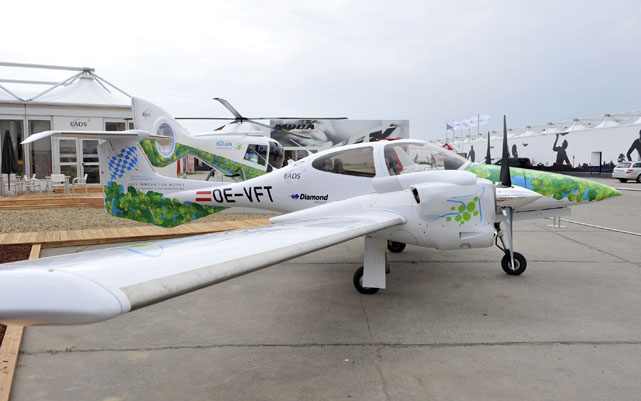
EADS displayed a Diamond DA42 which has become the first aircraft powered solely by algae derived biofuels at the ILA Berlin Air Show last week.
Tests on the aircraft, which is powered by Austro Engine AE300 engines, showed that the aircraft consumed 1.5 litres per hour less than when powered by Jet-A1 fuel while maintaining the same performance. Analysis of the exhaust gasses also showed that there were eight times fewer hydrocarbons as well as significant reductions in nitrogen oxide and sulphur oxide emissions. EADS says that only minor adjustments and modifications were required for the demonstration flights.
This content is available exclusively to Australian Aviation members.
A monthly membership is only $5.99 or save with our annual plans.
- Australian Aviation quarterly print & digital magazines
- Access to In Focus reports every month on our website
- Unlimited access to all Australian Aviation digital content
- Access to the Australian Aviation app
- Australian Aviation quarterly print & digital magazines
- Access to In Focus reports every month on our website
- Access to our Behind the Lens photo galleries and other exclusive content
- Daily news updates via our email bulletin
- Unlimited access to all Australian Aviation digital content
- Access to the Australian Aviation app
- Australian Aviation quarterly print & digital magazines
- Access to In Focus reports every month on our website
- Access to our Behind the Lens photo galleries and other exclusive content
- Daily news updates via our email bulletin
“Our pure bio fuel flight from algae is a world first and an exciting milestone in our research at EADS,” said Dr Jean Botti, chief technical officer of EADS. “This opens up the feasibility of carbon-neutral flights and we will continue to focus our research in this exciting area. Third generation biofuels are more than just a replacement for fossil petroleum – they push the possibilities of future propulsion.”
Algae is seen as one of the most promising prospects for sustainable biofuels due to its ability to be grown in sewerage ponds and brackish water, as well as its rapid regrowth ability.